
Kids’ room organization in Zagreb — a system your child can keep up on their own
A child does not resist tidying up. A child resists a system built for adults — one where everything lives too high, too deep, or behind a lid that is too heavy.
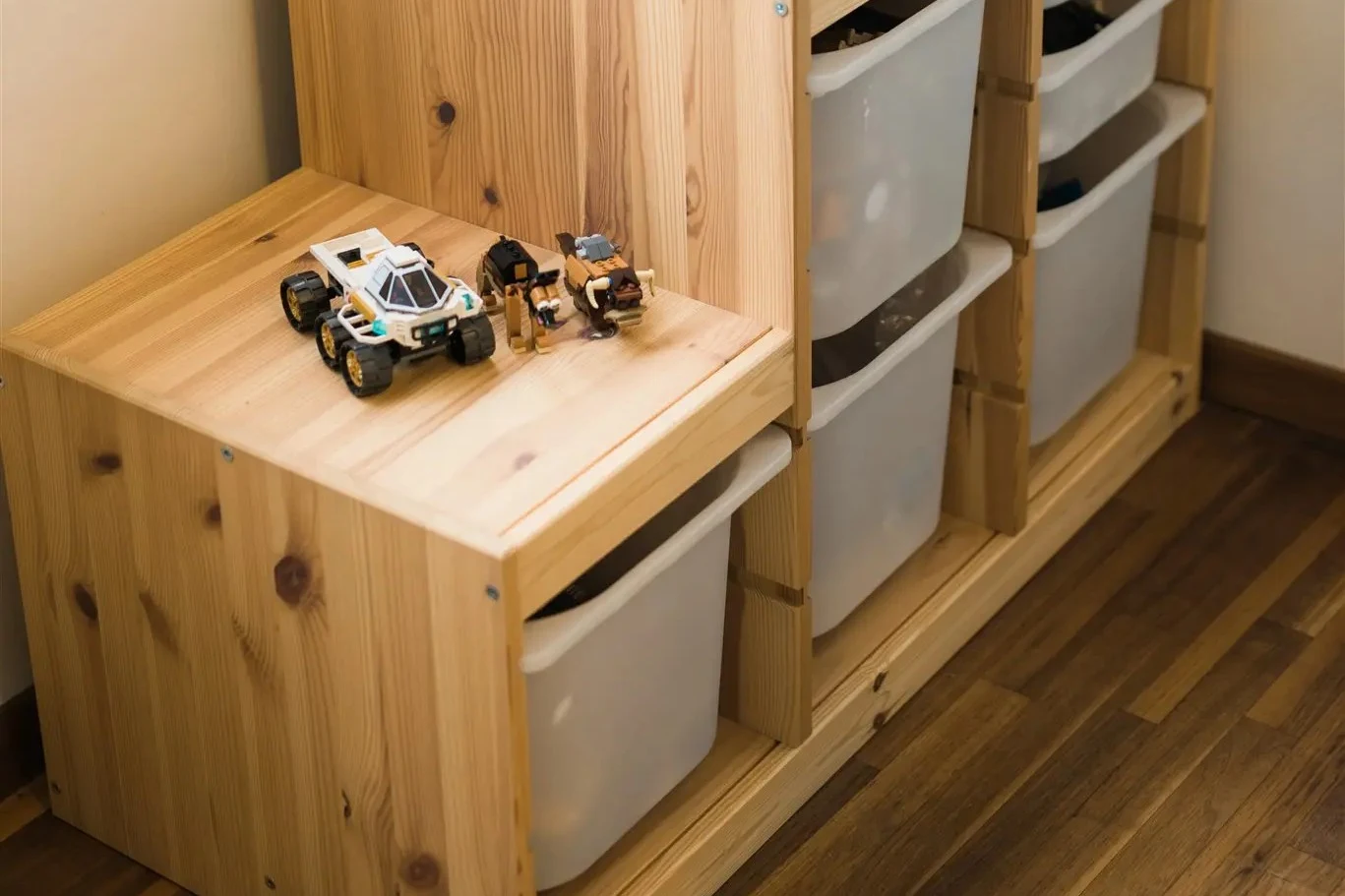
Decluttering and organizing a child’s room — built around how your child actually plays, reaches, and puts things away
Most children’s rooms are organized by adults, for adults. The shelves are at adult height, the boxes need adult hands, and the system only works while a parent runs it. The moment the parent stops, the room fills up again.
I offer kids’ room organization where the system is built around the child: everything used daily sits at the child’s height, every group of toys has its own clear place, and putting things away takes only a few minutes. That is how a child can keep the system up on their own — and that is exactly where the habit begins.
I offer kids’ room organization based in Zagreb, working with clients across Croatia, in person and online.
When kids’ room organization can help
This service is for you if tidying the children’s room has quietly become one more thing on your list — and if you would rather your child learned to keep it up than have it done for them.
It often helps when:
- toys have outgrown the space and there is no clear place for anything
- your child has outgrown some toys and nobody has decided what happens to them
- tidying up ends in resistance or tears every single time
- siblings share a room and the boundaries between their things keep blurring
- you are moving your child from a cot to a bed, or from a shared room to their own
- a new baby is coming and the room needs to work for two
- you want the room to grow with your child instead of being redone every year
You do not need to prepare anything in advance. The room can look exactly as it does on an ordinary afternoon.
Phase one: Decluttering toys together
We begin the same way as in any other room — by category rather than by corner. We go through the wardrobe and clothes, drawing supplies, books, soft toys, dolls, cars, building bricks and the rest, one category at a time. Seeing a whole category at once is what makes the decision possible, for a child just as much as for an adult.
Children are often far more decisive than parents expect. What they need is not persuasion but a clear question and enough time to answer it. When the child takes part, nothing leaves the room without their agreement. When I work with parents alone, the decisions are yours — and my part is to help you make them thoughtfully.
Toys that are no longer played with do not end up in the bin. They go to people who need them — associations, children's homes, families with younger children — always agreed with you. What stays is what is genuinely played with today.
Phase two: A system built at your child’s height
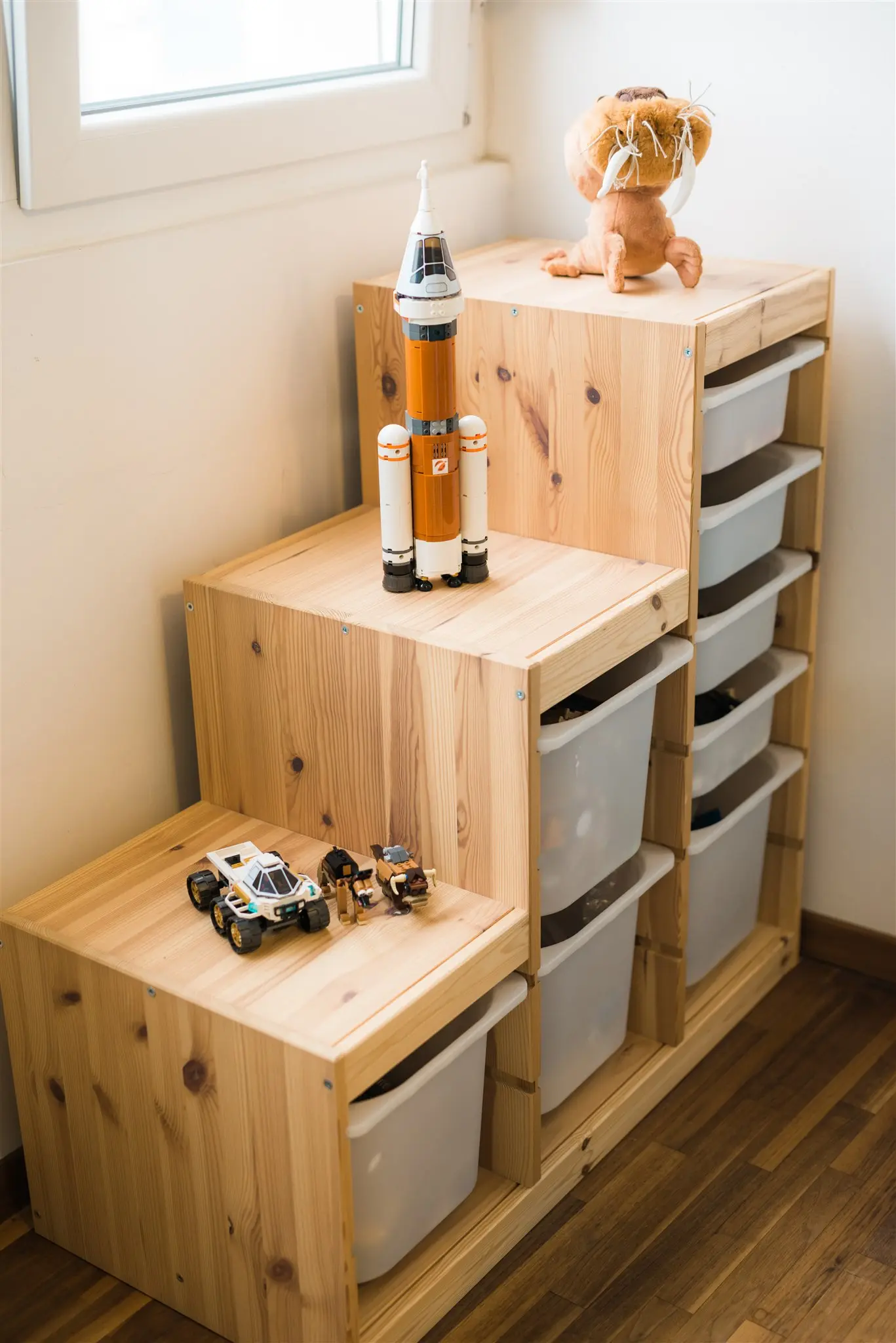
Only once we know what stays do we build the system. It follows a few simple rules:
- everything used daily sits within the child's reach — no chair, and no need to call you
- open boxes and low shelves rather than lids and drawers that need two hands
- each category has its own containers, marked with a picture, a word, or a colour, so a child who cannot read yet still knows where things go
- fewer containers than there is space, so putting things away never requires squeezing
- rarely used and seasonal things stored higher up, where adults keep them
A system a child can run alone is almost always simpler than the one adults would design. Fewer categories, larger containers, shorter distances. Tidying up should take minutes, not an evening — that is the difference between a habit and a battle.
With children we do not organize the inside of the box. Children change quickly — what holds their attention this month may not next month, so fine subdivision inside a container becomes work nobody keeps up. It is enough that every category has its own place.
Where this meets the Montessori approach
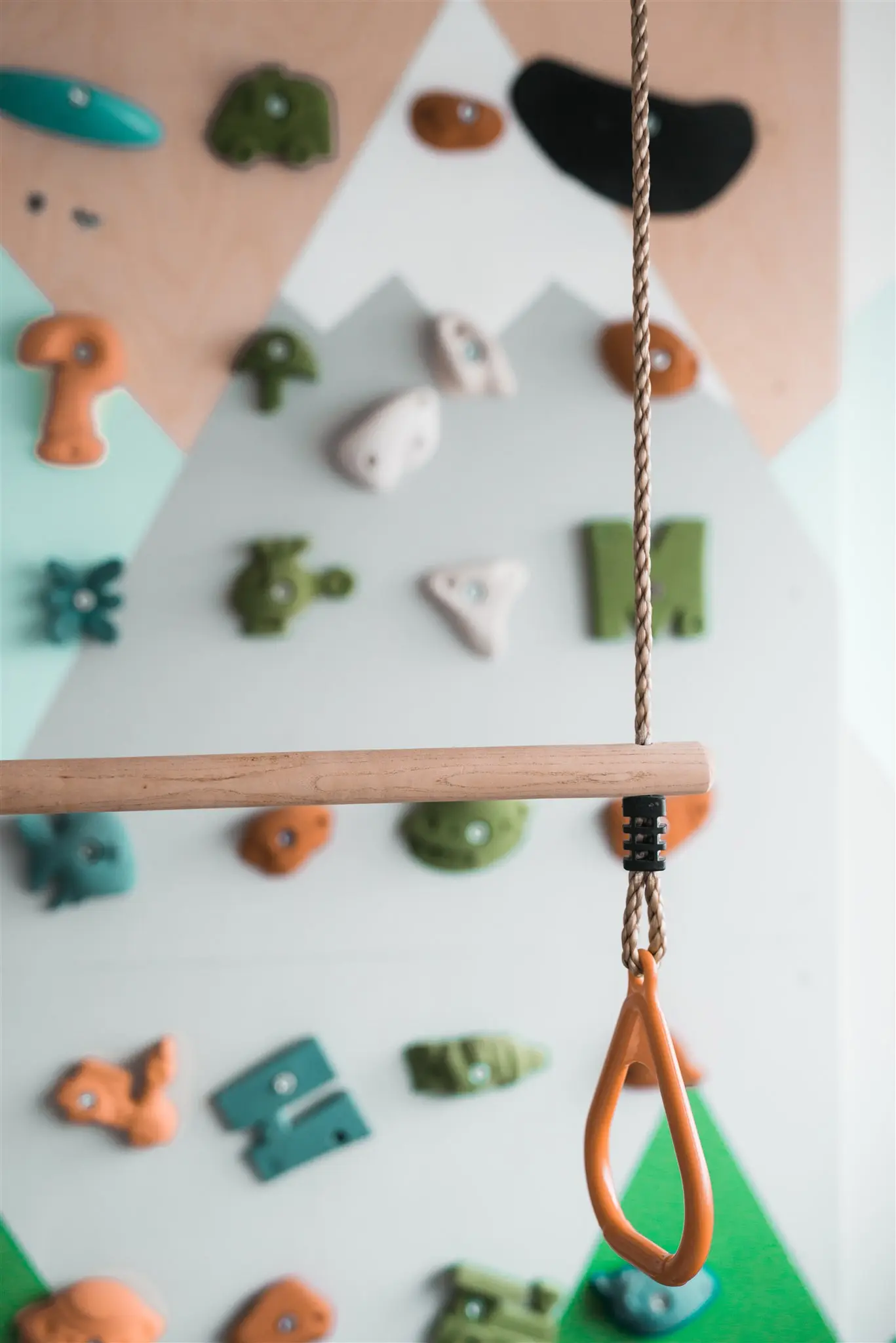
Parents often ask whether this is Montessori. It is not, but the two overlap in several places. Montessori starts from the prepared environment — a space arranged so the child can reach what they need without an adult. Low open shelves, things at the child's height, and a clear place for every group of items all follow from that.
The second overlap is quantity. In a Montessori room there are fewer toys out at any one time than the child actually owns. Part of the collection is put away, and they are rotated in cycles. A smaller choice lengthens play and makes tidying easier — the same result decluttering reaches by a different route. If that kind of rotation suits you, I build it into the system.
How the child takes part
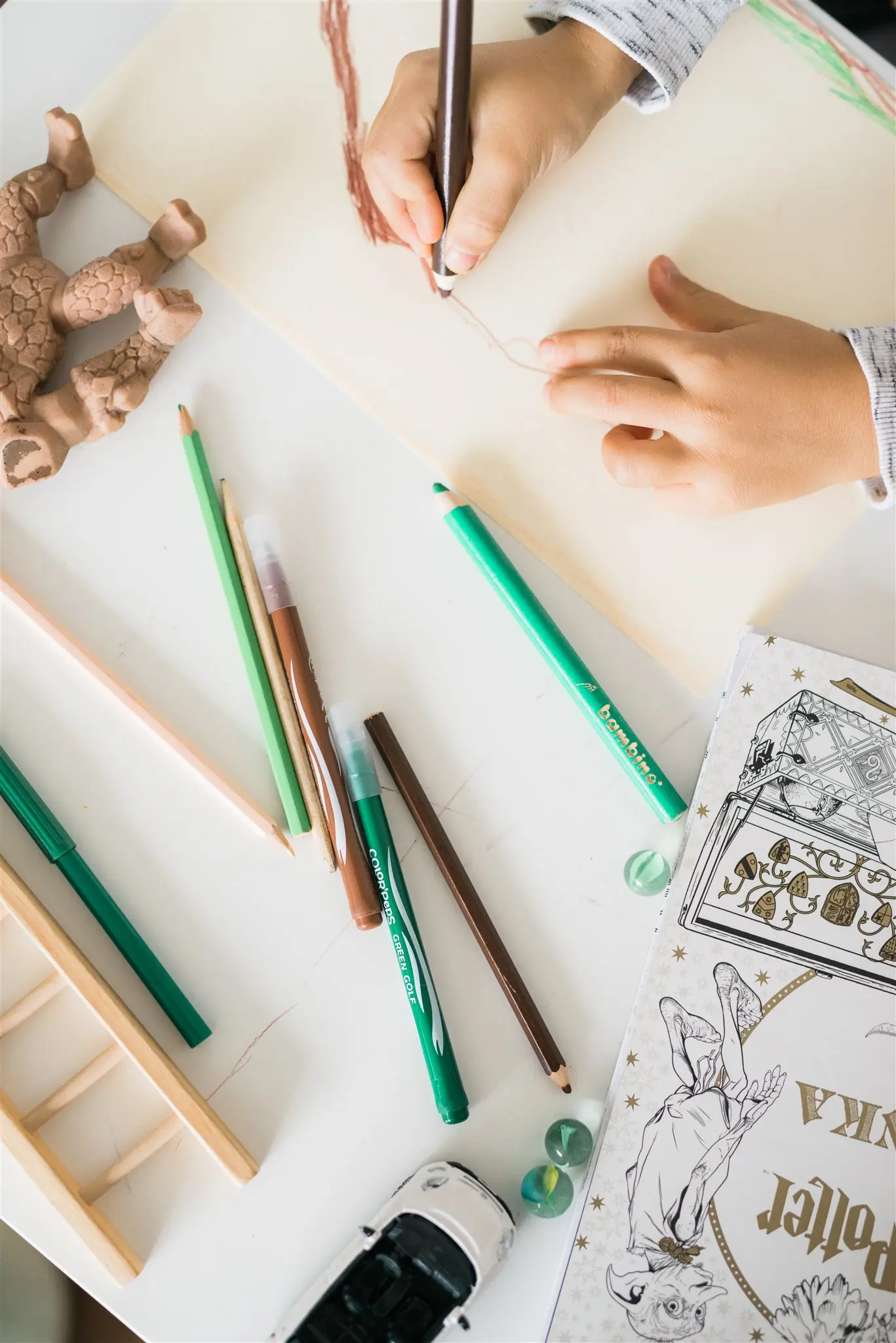
How much the child takes part depends on their age and on the day. Some children stay for the whole process, others join only for their own category and then go off to play. Both are fine.
What matters is that the child is asked rather than told, and that the finished room is one they recognize as theirs. A room organized over a child’s head stays tidy until the first afternoon of real play.
At the end I go through the system with you as well, so you know how to keep it going and how to adapt it as your child grows.
What you gain: a sustainable lifestyle
- a room your child can tidy without you
- fewer toys, and more play with the ones that stayed
- a clear place for everything, so putting away stops being a negotiation
- a system that grows with your child instead of being redone every year
- the first steps of a habit your child will carry further than this room
The point is not a room that photographs well. It is a room your child can live in, play in, and put back together on their own.
Not sure where to start?
A free 20-minute call is the easiest first step. We talk it through, with no obligation.
Frequently asked questions
From what age does this make sense?
Marie Kondo says children can be encouraged to put their things away from around the age of one, as soon as they begin to walk. That does not mean the room will be tidy — it means the habit starts far earlier than most parents expect. Taking part in decisions about what stays and what goes comes later, and varies from child to child.
What if my child does not want to give anything away?
Then nothing goes. That is not a failed session — a child who feels their things are safe lets go far more easily next time. In those cases we often make a maybe pile: things the child is not ready to release but is not asking for either. It goes aside and we come back to it in a few months, by which time the child has usually outgrown part of it. Very often the room becomes workable simply by giving every category a proper place.
Does my child have to take part?
Not necessarily, though it helps. When the child takes part, the decisions about their things are theirs and the system stays closer to them. But we can also reset the room without them — clear everything and set the system up in a calmer environment — and you walk the child through it afterwards, without the chaos and without rushing. Both work.
We have two children in one room. Does that change anything?
It changes the layout more than the method. Each child gets their own clearly marked space, and shared things get a shared one. Clear boundaries usually reduce the arguments more than extra storage does.
How to work with me
A one-hour consultation is for you if you want to redo the room yourself but need a professional read on it. We walk through it together and I show you what to change and in what order, so you can carry on alone.
If you would rather we did it together, we go through the room category by category and set the system up side by side, with the child taking part as much as their age allows.
Explore all home and office organization services
Below you will find a simple overview of all services. Click the one that fits your situation, or explore them one by one to see which approach might support you best.
- Home organization — decluttering and tidying
- Kids' spaces
- Home organization — moving
- Home organization — renovation
- Workplace and home office organization
- 3D storage space visualization
- Digital decluttering and organization
- VHS to digital conversion
- Donation pickup and rehoming
- Zero waste consultation for home and office
- KonMari® workshops and corporate training
Ready to begin?
Book a free 20-minute call and let us look at your child’s room together.