First theme
When space becomes yours
The foundations of the KonMari method: how to declutter and organize at home or at work.
The method is easiest to understand when you see it at work. That is why a workshop does not begin with theory, but with the things people hold in their hands every day.
Workshops and talks on the KonMari® method — in libraries, associations and companies, in person and online
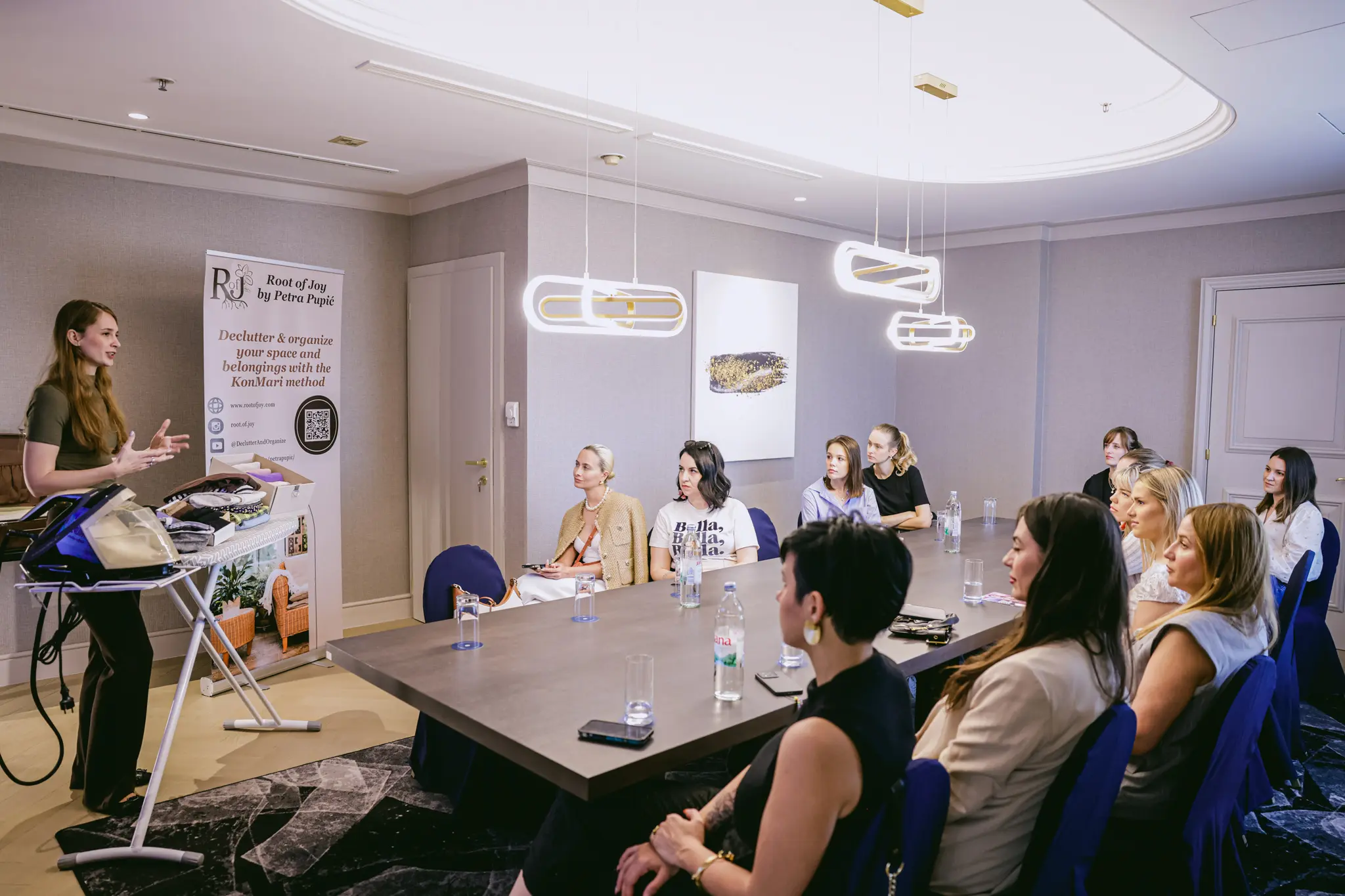
Most of my workshops are simply about the method itself: what the KonMari® method is, how tidying by category works, and how to fold so that a drawer stays readable. I hold them in libraries, for associations and community groups, at company events, and for teams that want a session with some substance to it.
The audience changes, the material barely does. A librarian, a parent of three and a marketing team all stand in front of a wardrobe that challenges them. What changes is the examples I use and how much time we spend on the workplace.
I am the first certified KonMari® consultant in Croatia, and the only one with a Master certificate. I hold workshops and talks in person in Zagreb and across Croatia, or online, in Croatian or English.
A workshop is worth considering when:
The workshops are built around six themes. Each one stands on its own, and together they follow the order of the KonMari® method:
The foundations of the KonMari method: how to declutter and organize at home or at work.

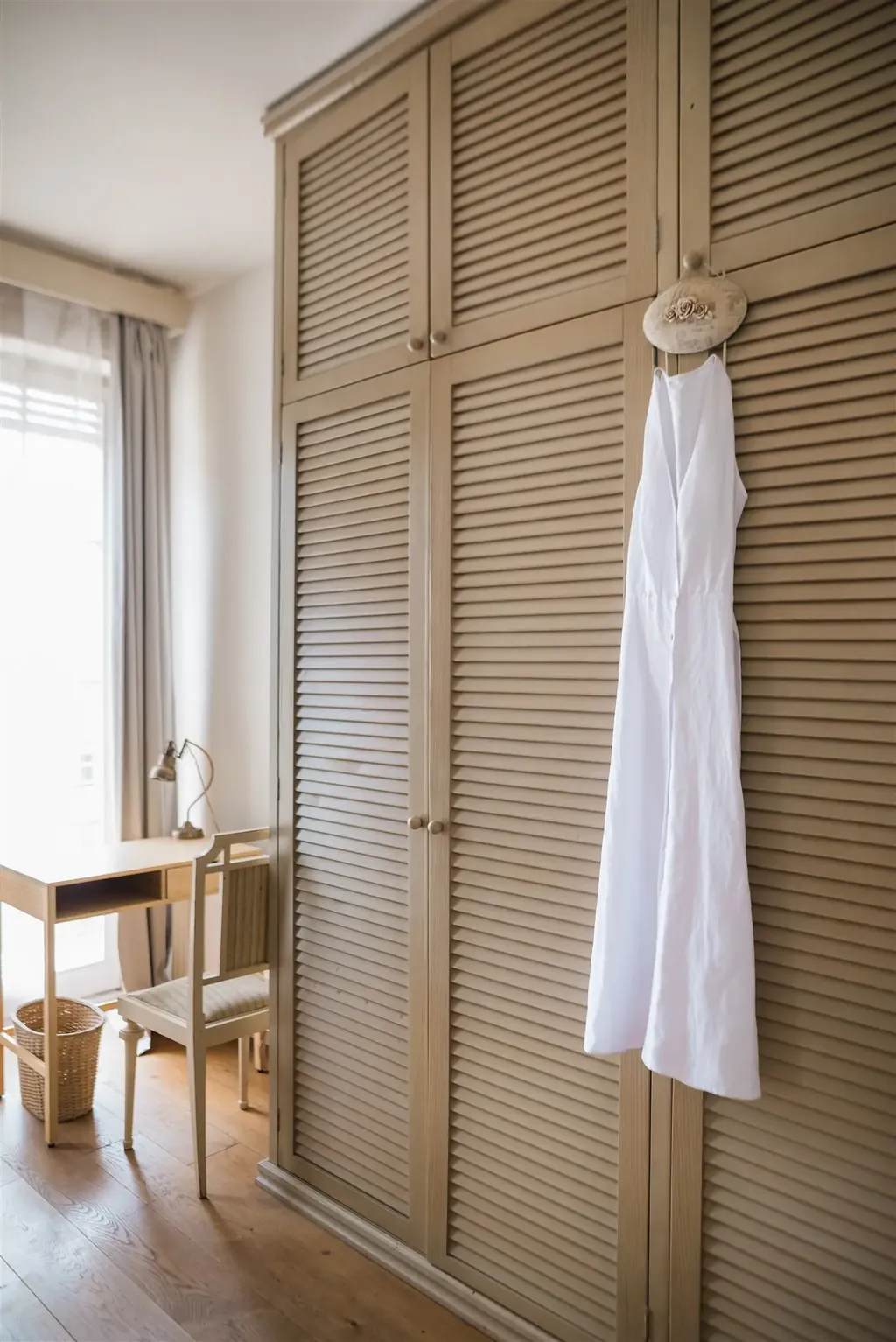
Clothing through the KonMari method: from an overcrowded wardrobe to one full of harmony and personal style.
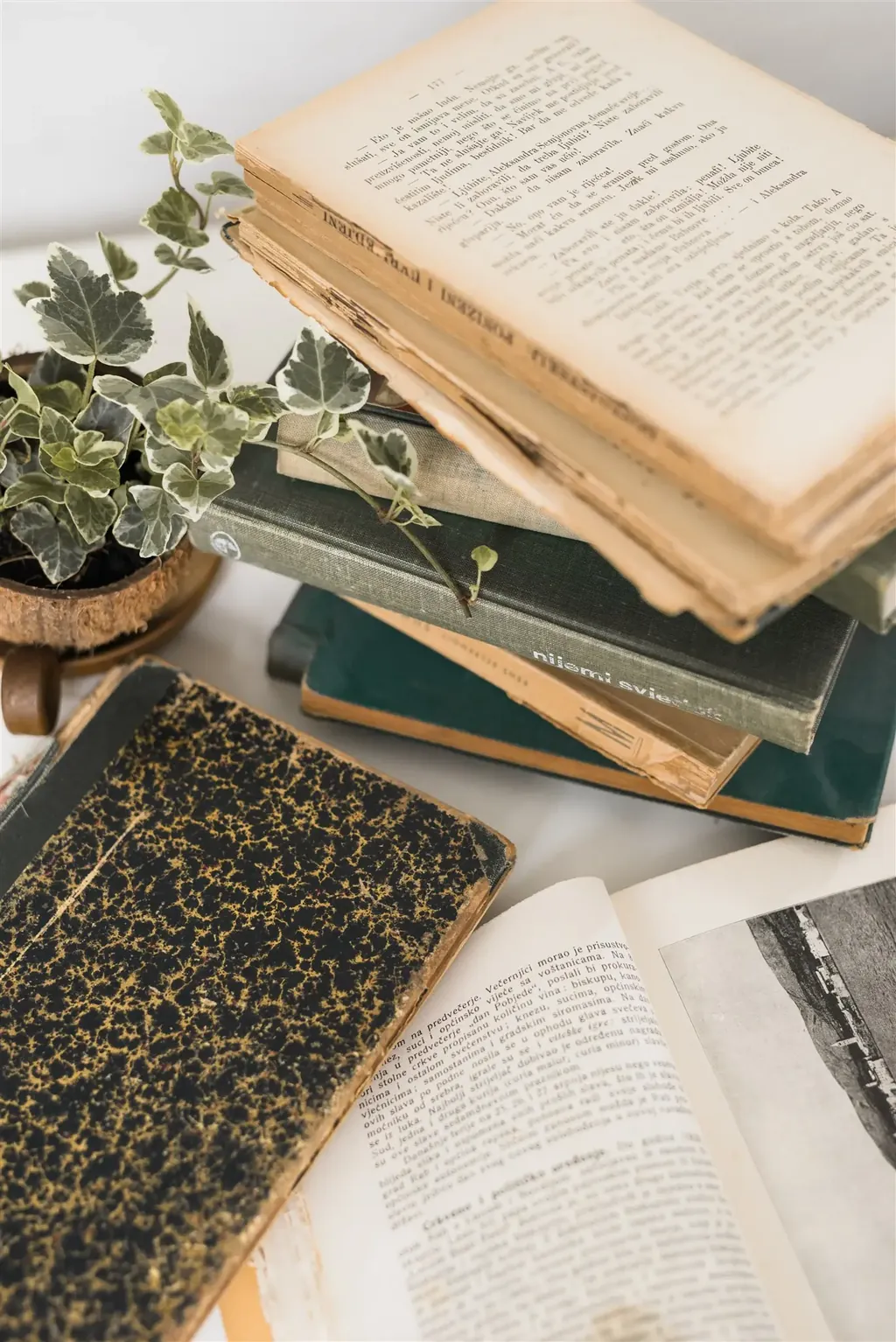
Books and papers through the KonMari method: order that supports clarity and focus.
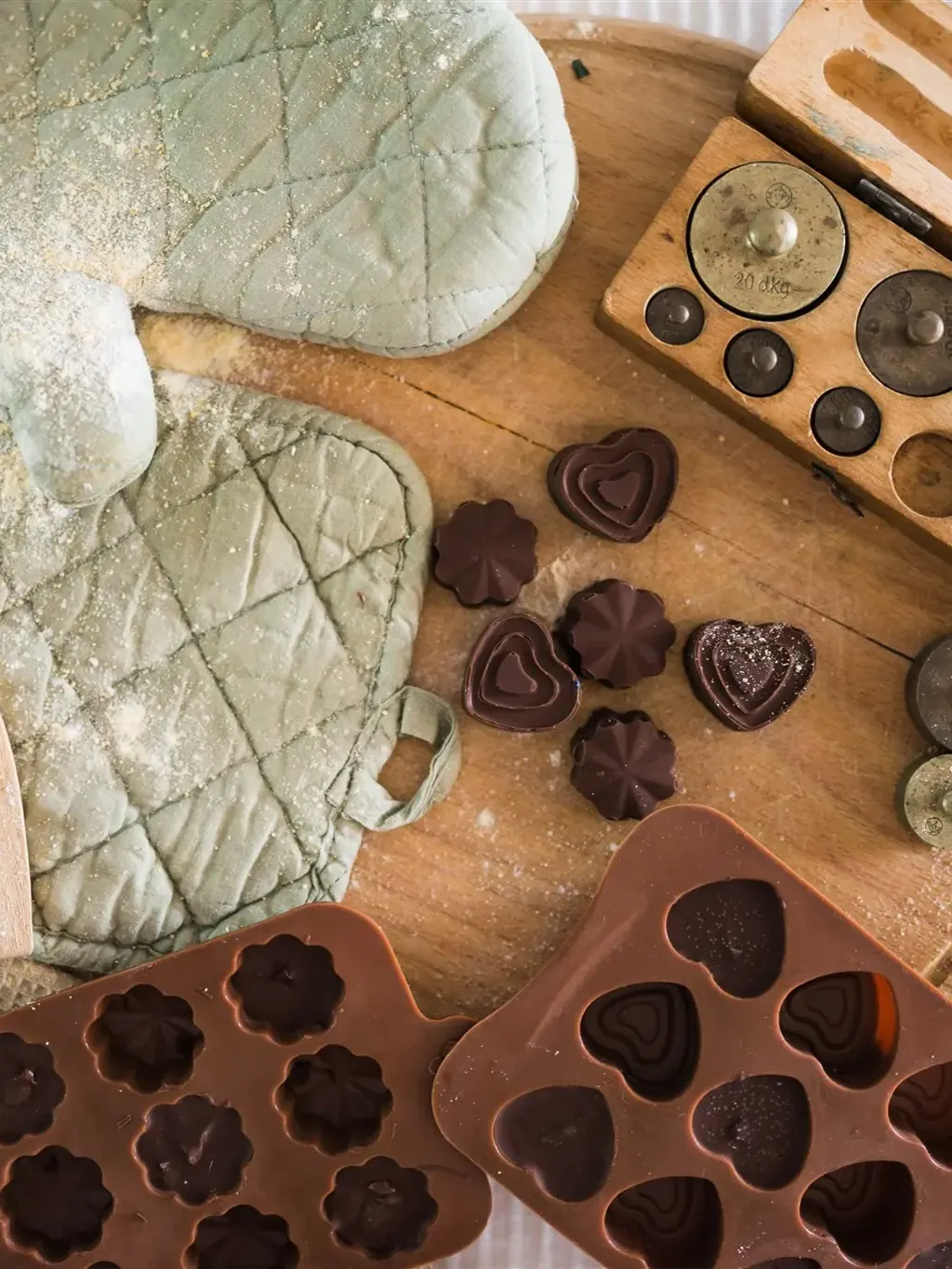
The kitchen through the KonMari method: where order meets creativity.
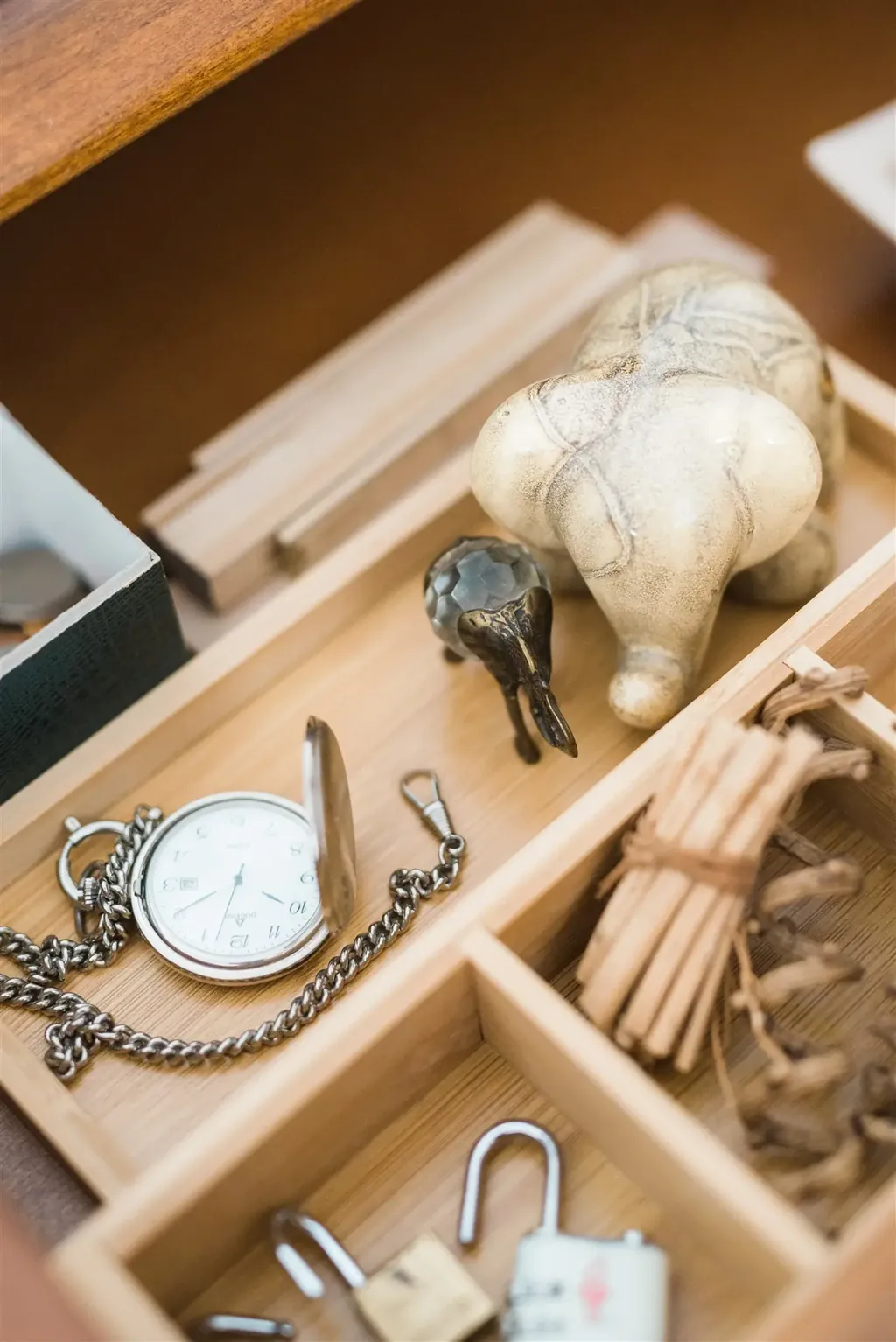
The KonMari method for small items: more than twenty subcategories in which every little thing finds its place.
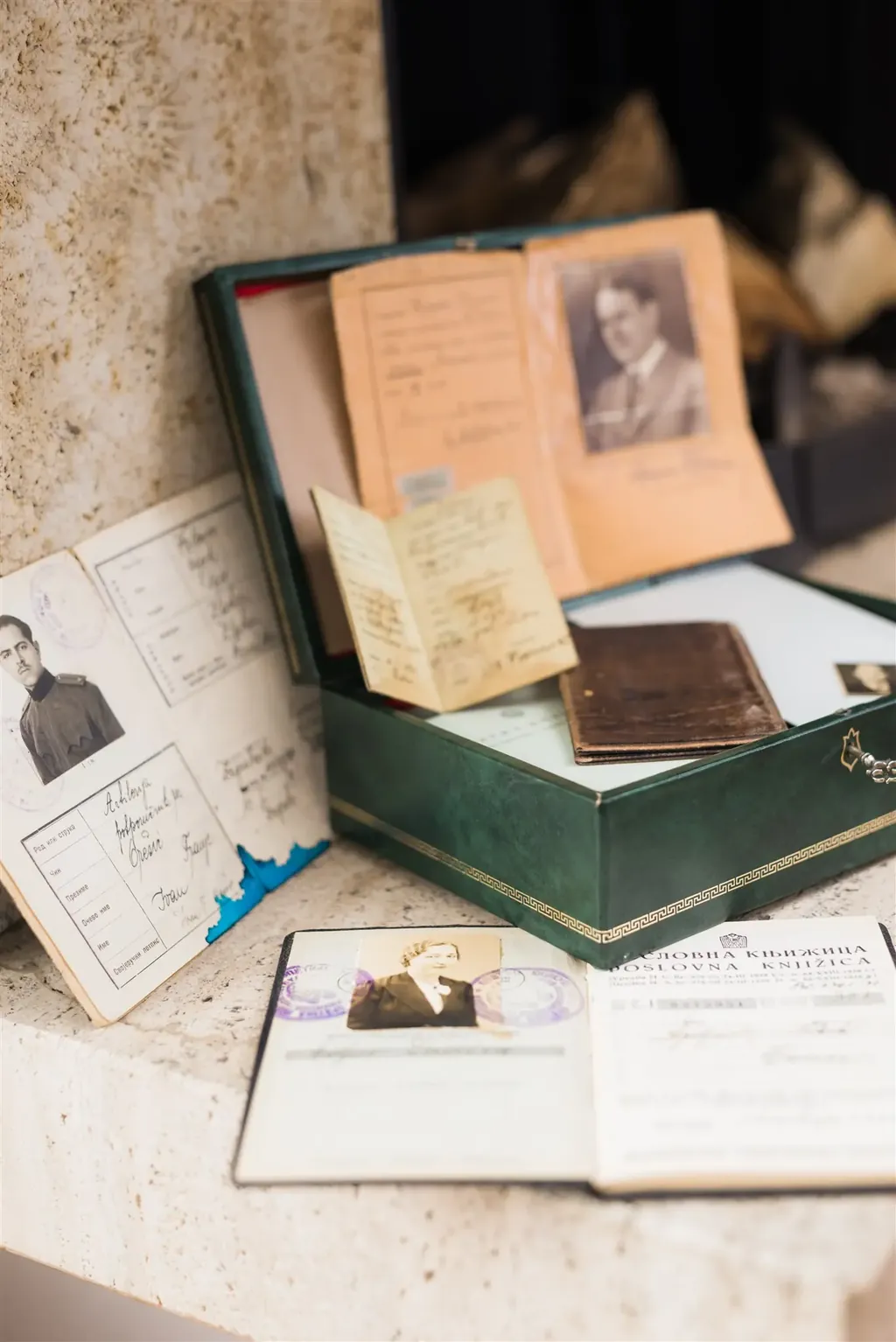
Memories without the weight, through the KonMari method: emotional decluttering and consciously keeping what matters.
When the group is a workplace, the workplace part draws on Joy at Work, the book that applies the KonMari® Method to the working environment. The question there is not whether an object sparks joy, but whether it contributes to work people feel good doing.
The emphasis is always on what people can do themselves afterwards — without new tools, new software, or a budget.
A talk or workshop runs about forty-five minutes to an hour, and after that there is time for questions — usually around two hours in total. It is shaped that way because after roughly an hour attention drops, and what comes after it is rarely remembered. The questions are usually the best part — that is where people describe their own situations.
A talk suits a larger audience and stays on ideas and demonstration. A workshop is smaller and more hands-on, so there is room for people to try what I am showing.
Both run in person or online. Online works better than most people expect, because everyone is already at home, among the things we are talking about.
I hold workshops and talks where people already gather — hotel conference rooms, cultural festivals, company offices, and small groups around a single table. The format changes with the room and the number of people; the material barely does.
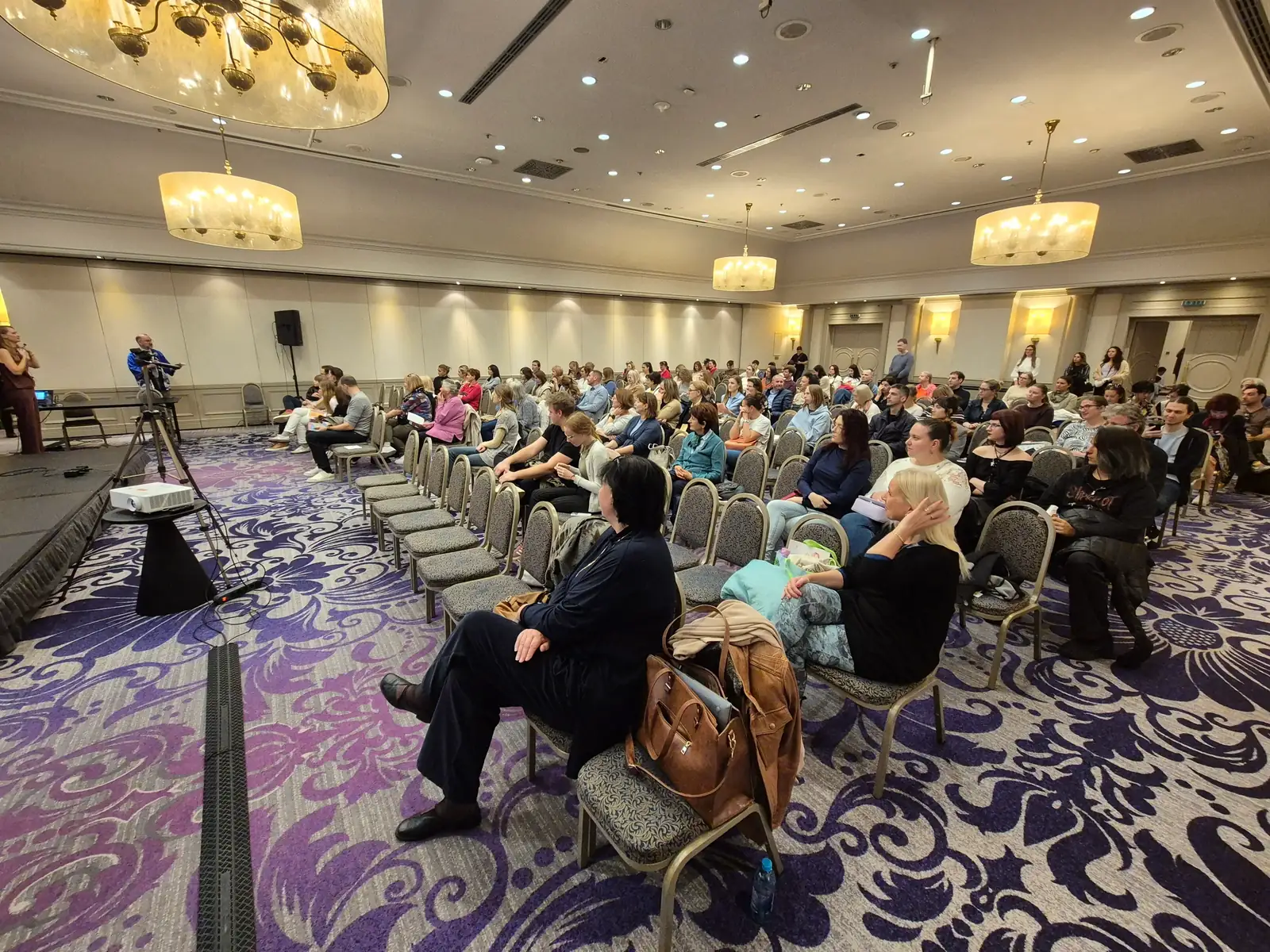
A talk on the KonMari® method to a full conference room at the Sheraton, part of a day-long programme devoted to Japanese culture.
It was the broadest audience I have had — from people hearing about the method for the first time to people who had already read Marie Kondo. A room that wide asks you to go back to the basics, and to the mistakes almost everyone makes.
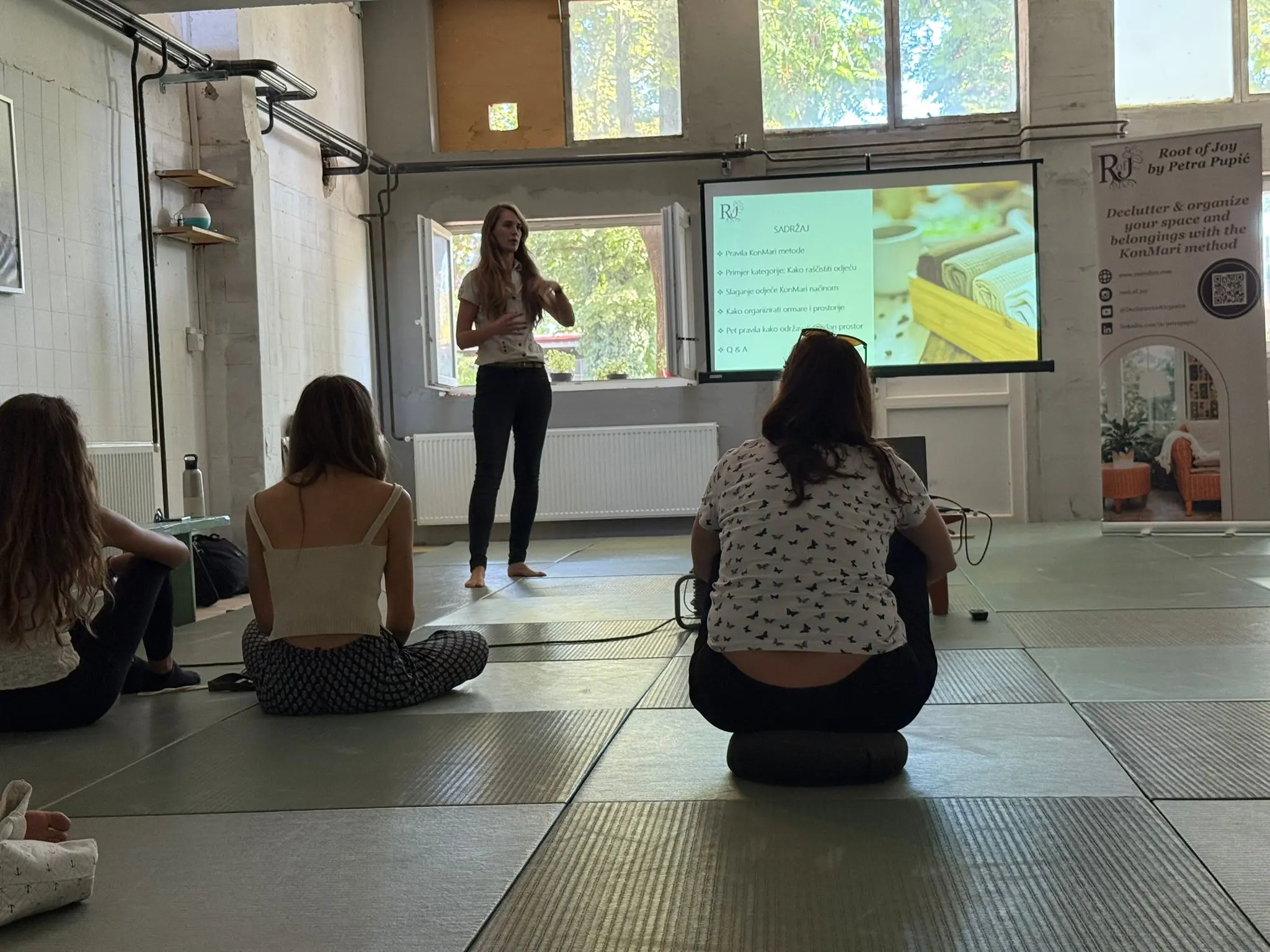
A workshop on the tatami, with the group seated on the floor, the way the method is taught in Japan.
KonMari stood there alongside aikido, calligraphy, origami, bonsai and a Japanese tea tasting — as one of the crafts of Japanese culture rather than as advice about tidying. It is the most natural frame the method has been given.
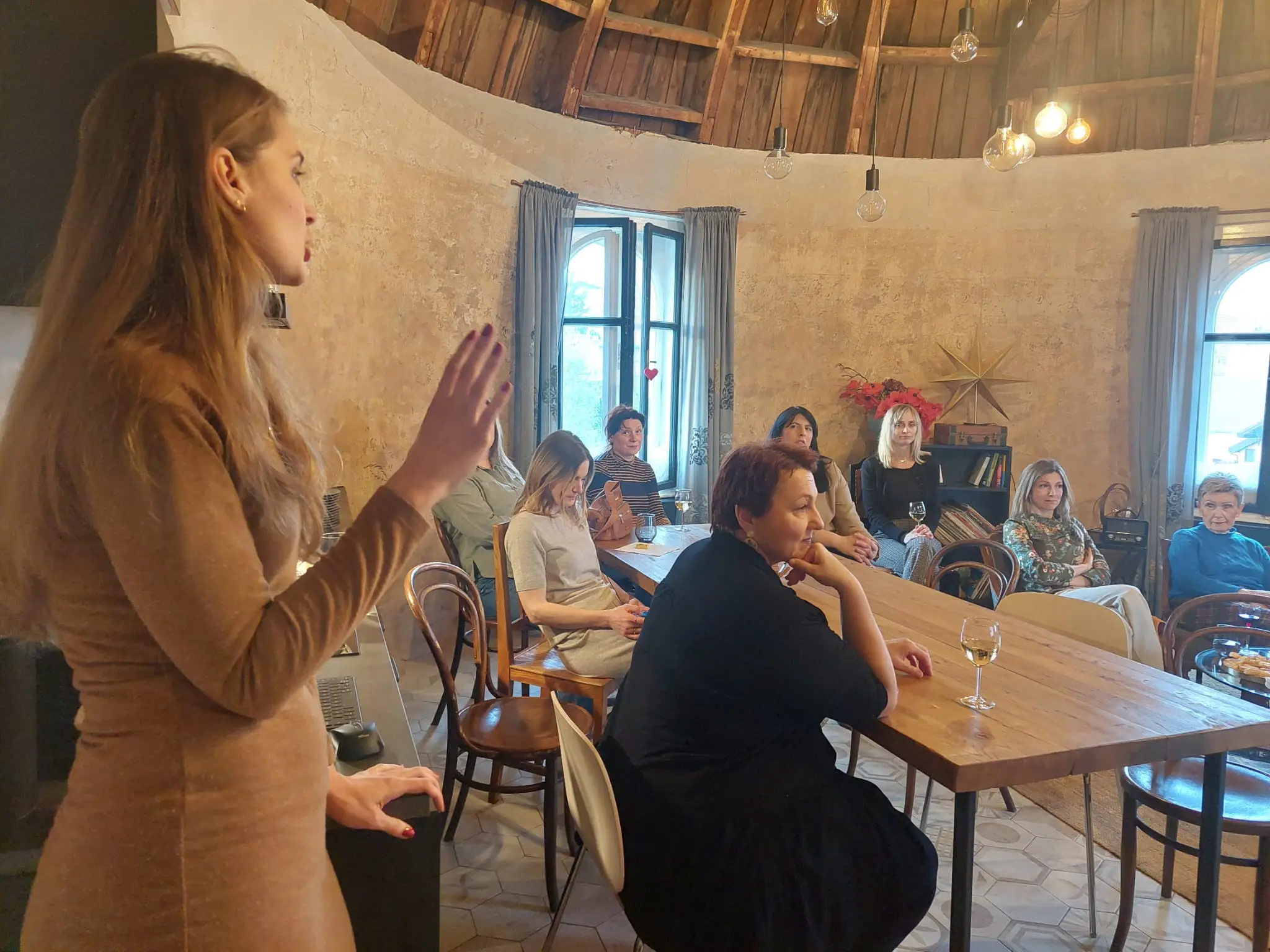
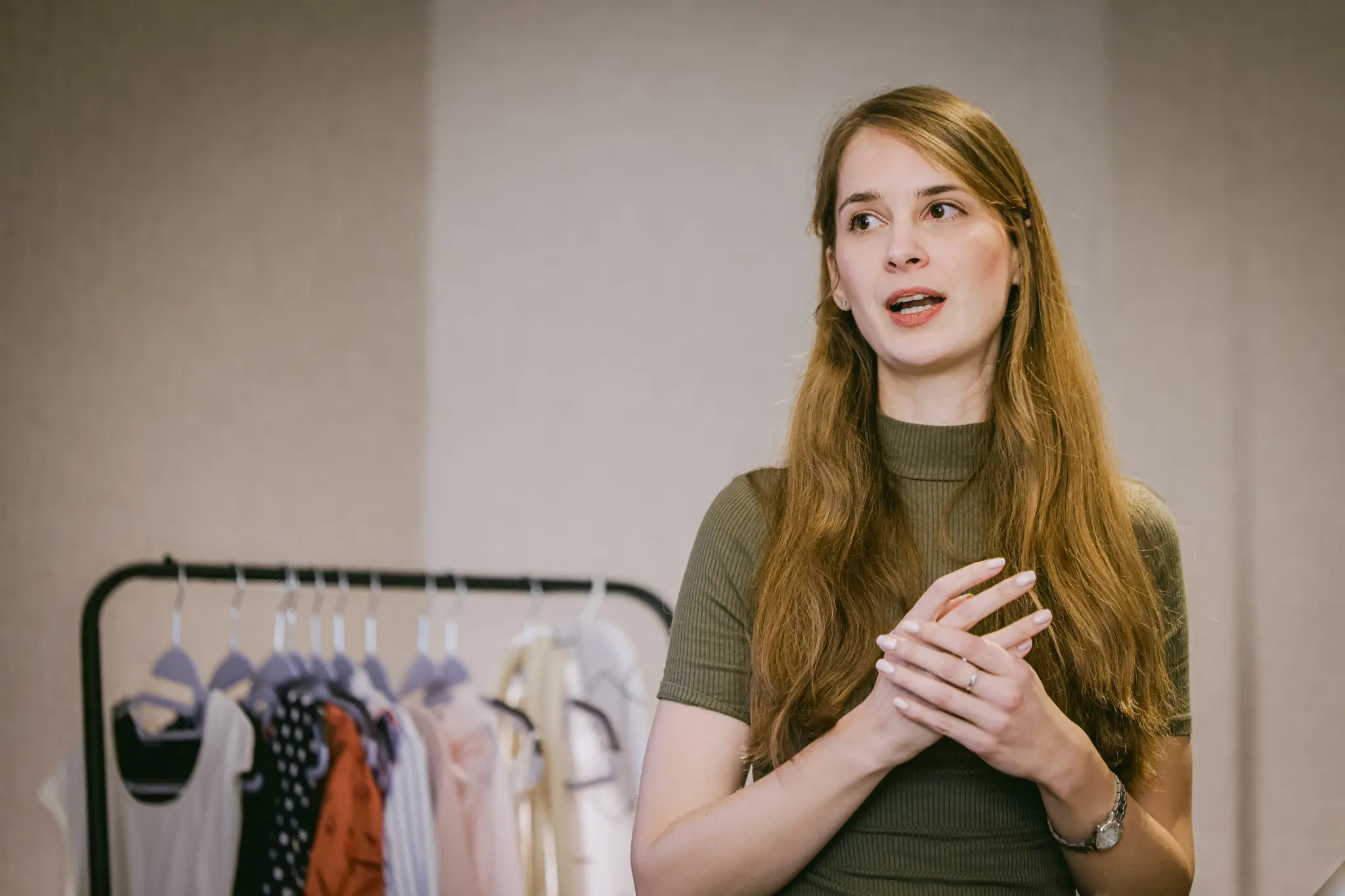
A wardrobe workshop for a smaller group, under the title “Transform your wardrobe: from clutter to harmony and style”.
When the group is small and everyone sits around one table, each person gets to bring out their own example — and the conversation moves from the method to the actual problems people have in their own spaces.
Philips was presenting an iron, so the subject was exactly what people want to know: ironing against folding the KonMari way, and whether it is better to fold or to hang.
I demonstrated the folding live, a clothing rail stood in the room, and there was time for everyone to try it themselves. The fold-or-hang question has no single answer — it depends on the fabric and on how much space the wardrobe gives you.
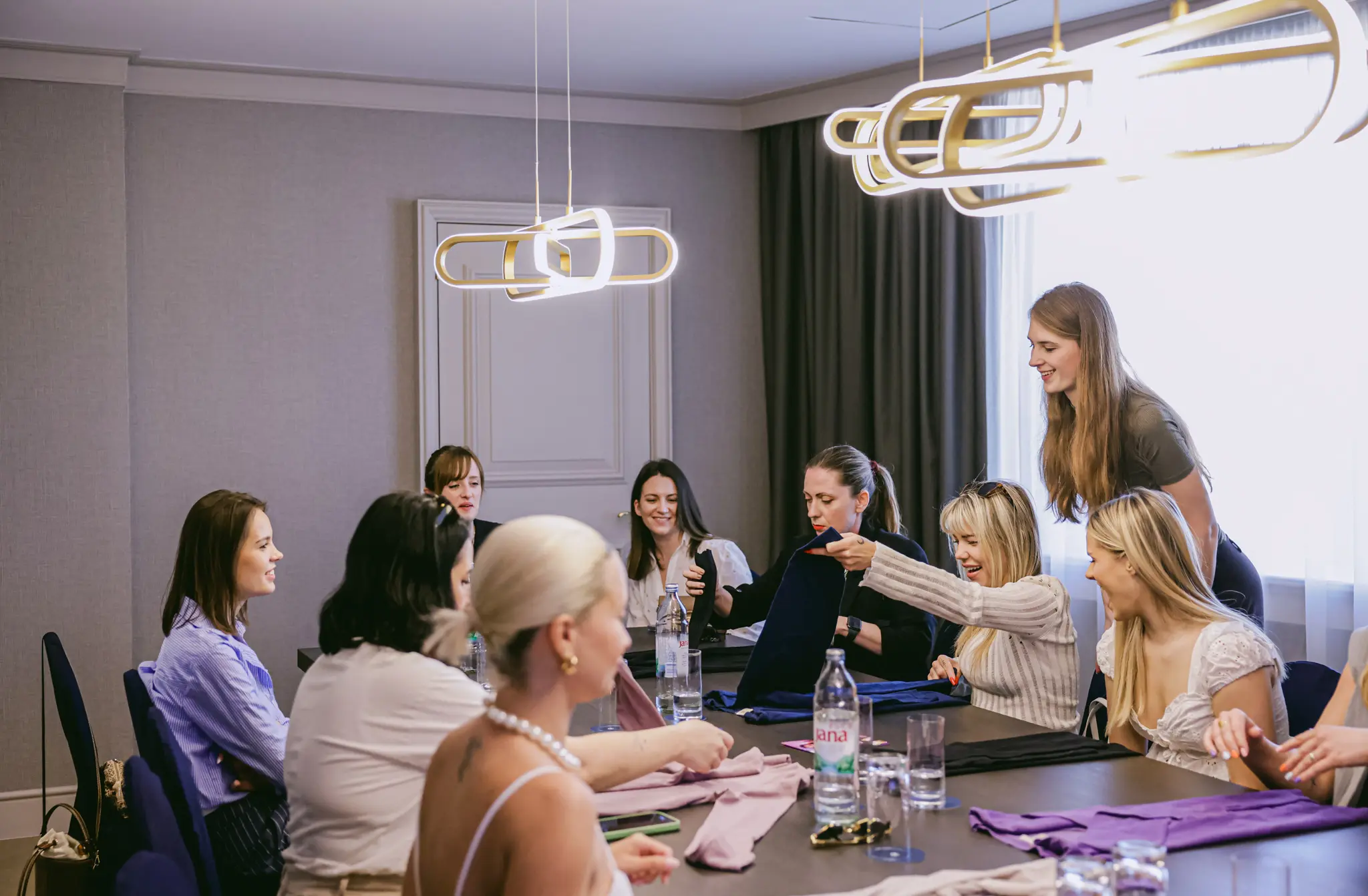
Each of these asked for a different format, and the method held up equally well in all of them — in a full conference room, on the tatami, and around a table of ten.
A free 20-minute call is the easiest first step. We talk it through, with no obligation.
It depends on the format. A talk suits a large audience; a hands-on workshop works best in a smaller group — up to about fifteen people. In a smaller group the atmosphere is closer, and people open up more easily about what is actually troubling them. We agree the format once I know the size and the setting.
No. Most of my workshops are for general audiences, in libraries and for associations and community groups.
For a talk, nothing. For a hands-on workshop it helps if everyone brings a few items of their own clothing to fold — a T-shirt and something with sleeves is enough.
Yes. Workshops and talks are held in Croatian or English, whichever suits the group.
Every workshop is put together for the group it is held for, so we start with a conversation: who the people are, what the space looks like, how much time there is, and what you want them to leave with.
After that you get a proposal with the content, the format and the price, before anything is agreed.
Below you will find a simple overview of all services. Click the one that fits your situation, or explore them one by one to see which approach might support you best.
Book a free 20-minute call and tell me about your group.