
Shoes and clothes accessories — how to declutter and organize
Bags, scarves, hats and glasses, hair accessories and jewellery, shoes —
the four parts of the first category, and storage that holds
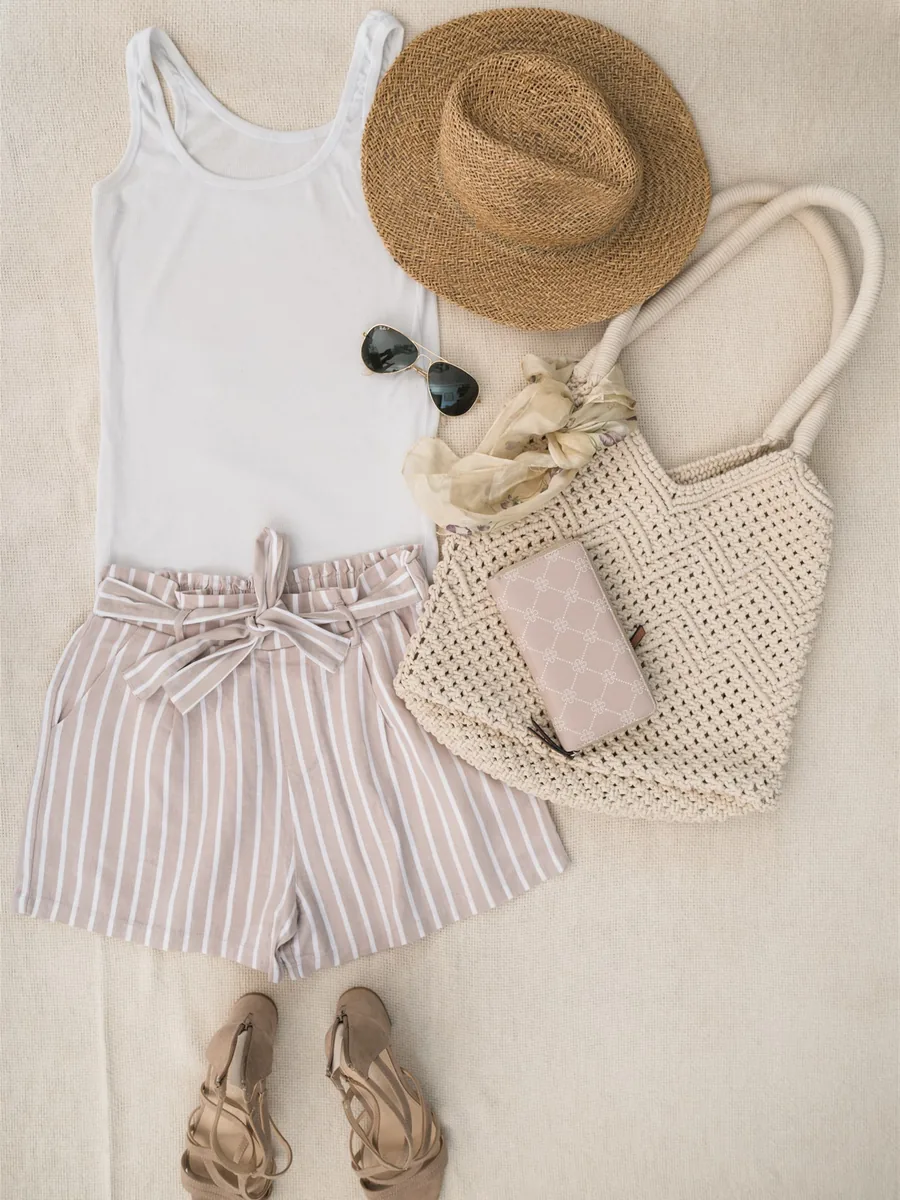
Shoes, bags, scarves, hats, glasses, hair accessories and jewellery all belong to the first category, together with clothes. They have a guide of their own only because of the sheer volume — accessories pile up over the years more than we think, and almost every kind has a storage rule of its own.
The order is the same as in every category. You bring everything to one place, take each item in your hands and check whether it sparks joy, and only then work out where things will live. Storage solutions come last, never first.
If you are only starting, read the complete guide to the KonMari® method first, and then the guide to clothes — accessories come after clothes, once your heart has had a little practice at recognizing joy.
Bags, scarves, hats and glasses
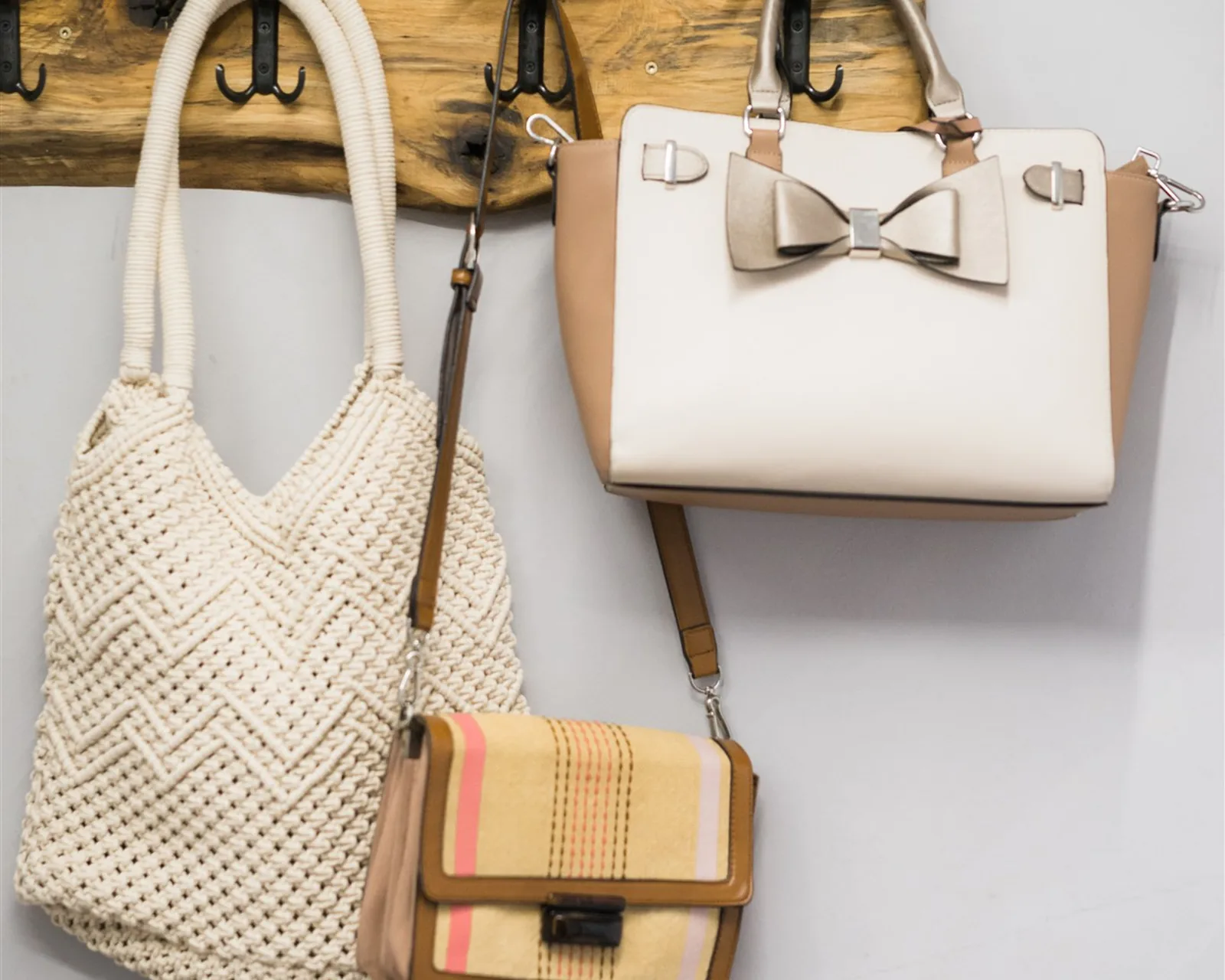
Bags and purses
Put out every bag you own — the ones in the wardrobe, the ones hanging by the front door, and the ones still waiting in boxes. Empty them before they go on the pile. Bags you have not carried for a while usually hold receipts, scraps of paper and small things that belong to other categories, and those are better off going straight home.
Then take each one in your hands and check whether it sparks joy. The bag you carry every day you will recognize at once; it is harder with the ones that were expensive or came as a gift.
- Keep bags side by side, never one inside another — a bag inside a bag loses its shape and gets forgotten.
- If they topple over, there are excellent shelf organizers that hold them upright.
- Keep similar bags together: all the small ones in one place, all the large ones in another.
- Fold cloth carrying bags and stand them upright in a box, so you see them all at once.
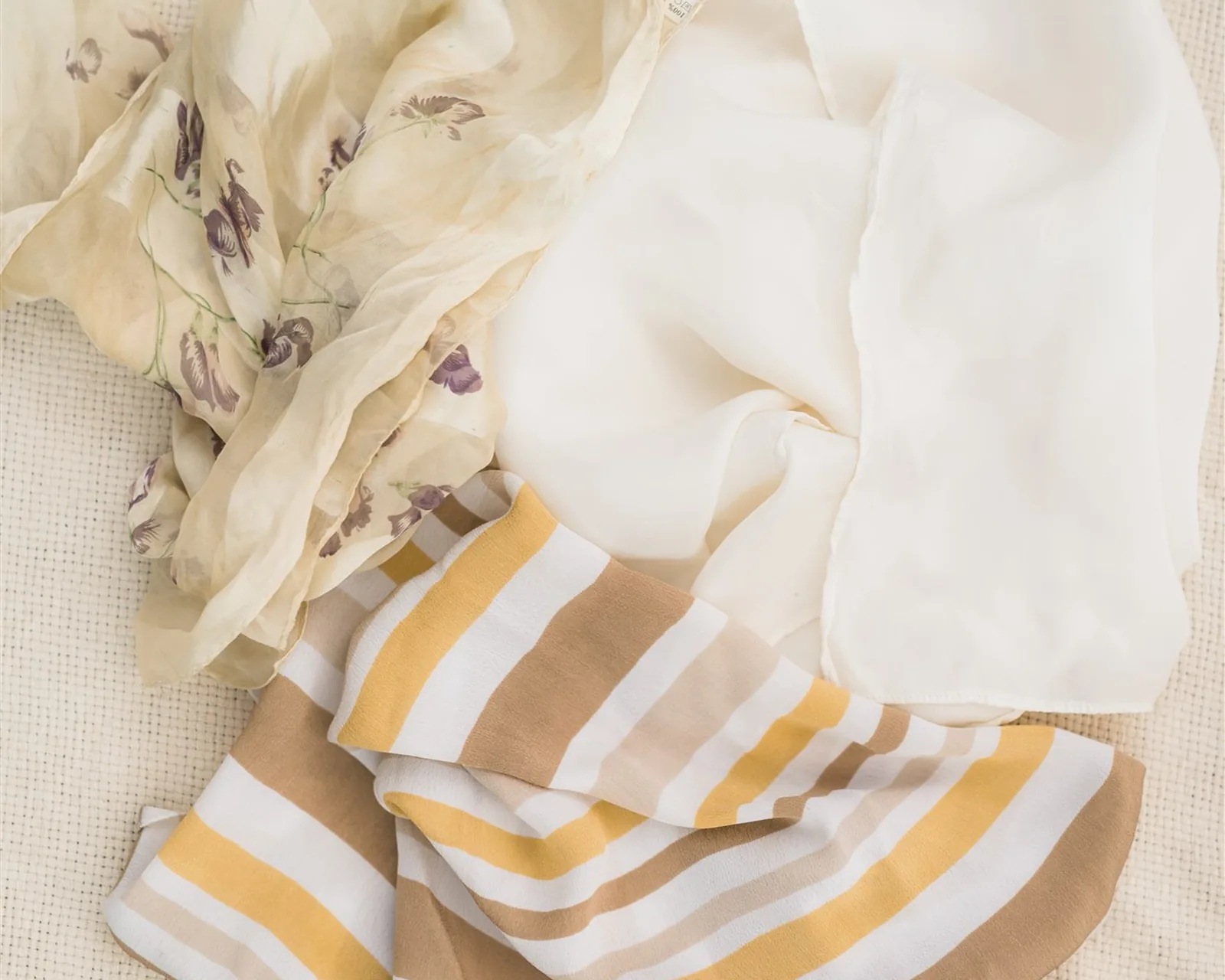
Scarves, hats and glasses
Lay out all your scarves, hats and glasses in a pile and decide which ones you are keeping. Scarves are usually the biggest group, and they are the kind where it shows most clearly what you actually wear, and what you wore years ago.
- Fold the ones that can be folded the way you fold clothes — into a small rectangle that stands upright.
- Keep the rest in a box in the drawer, or out in the open like a lovely store display.
- If there are many, use boxes with compartments, so every kind has a compartment of its own.
- Keep glasses in their cases together, and the pair you wear every day somewhere within reach.
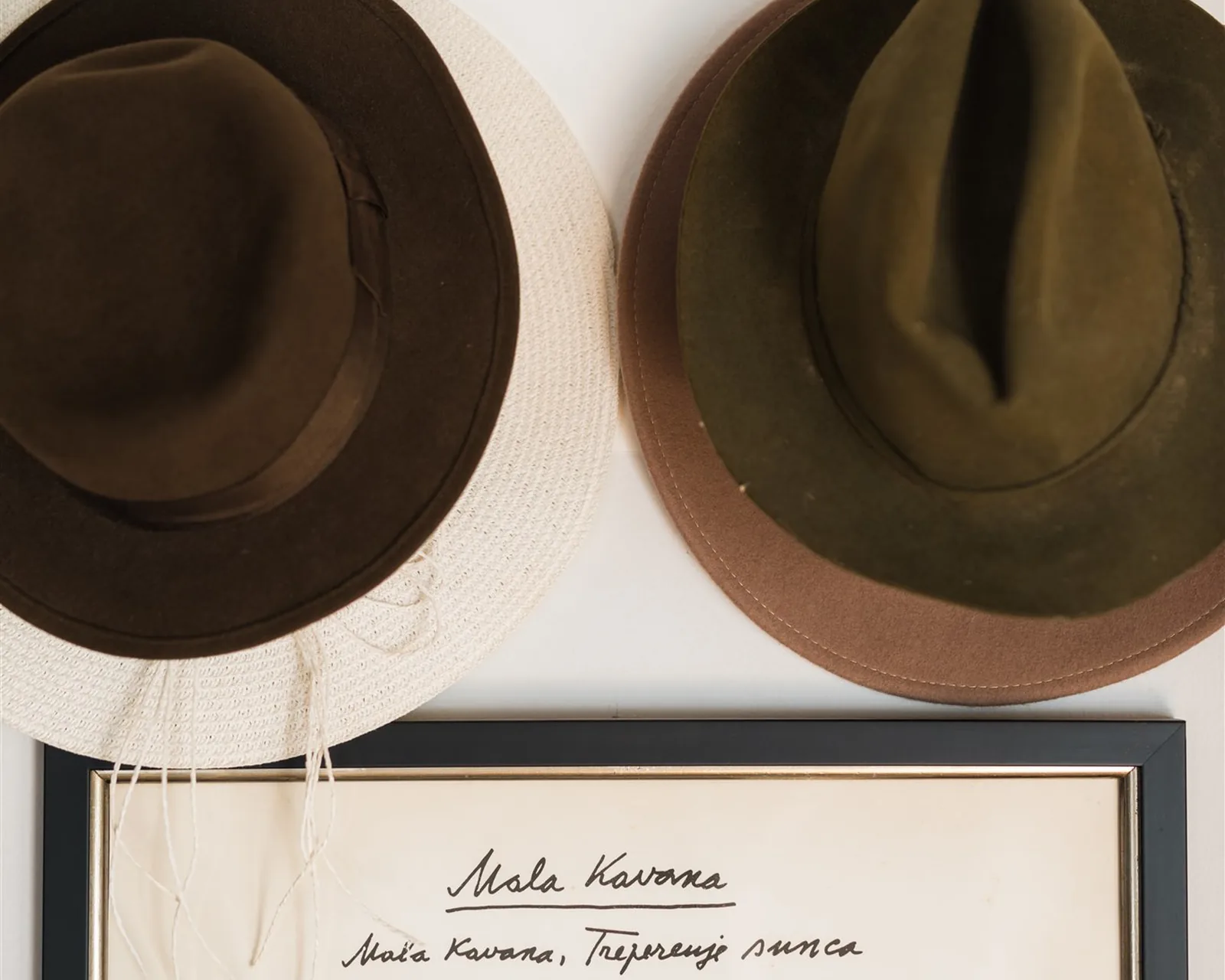
Hats as wall art
Hang the hats wherever you can. Besides hooks behind doors and in the closet, on a wall they make wonderful wall art — and that solves two things at once: the hat keeps its shape, and the room gains something of yours.
It is also the easiest way to actually wear them. A hat in a box on top of the wardrobe stays in the box; a hat on the wall you see every day.
Accessories are small, the decisions are not
A free 20-minute call is the easiest first step. We go through your situation, with no obligation at all.
Hair accessories, jewellery and shoes
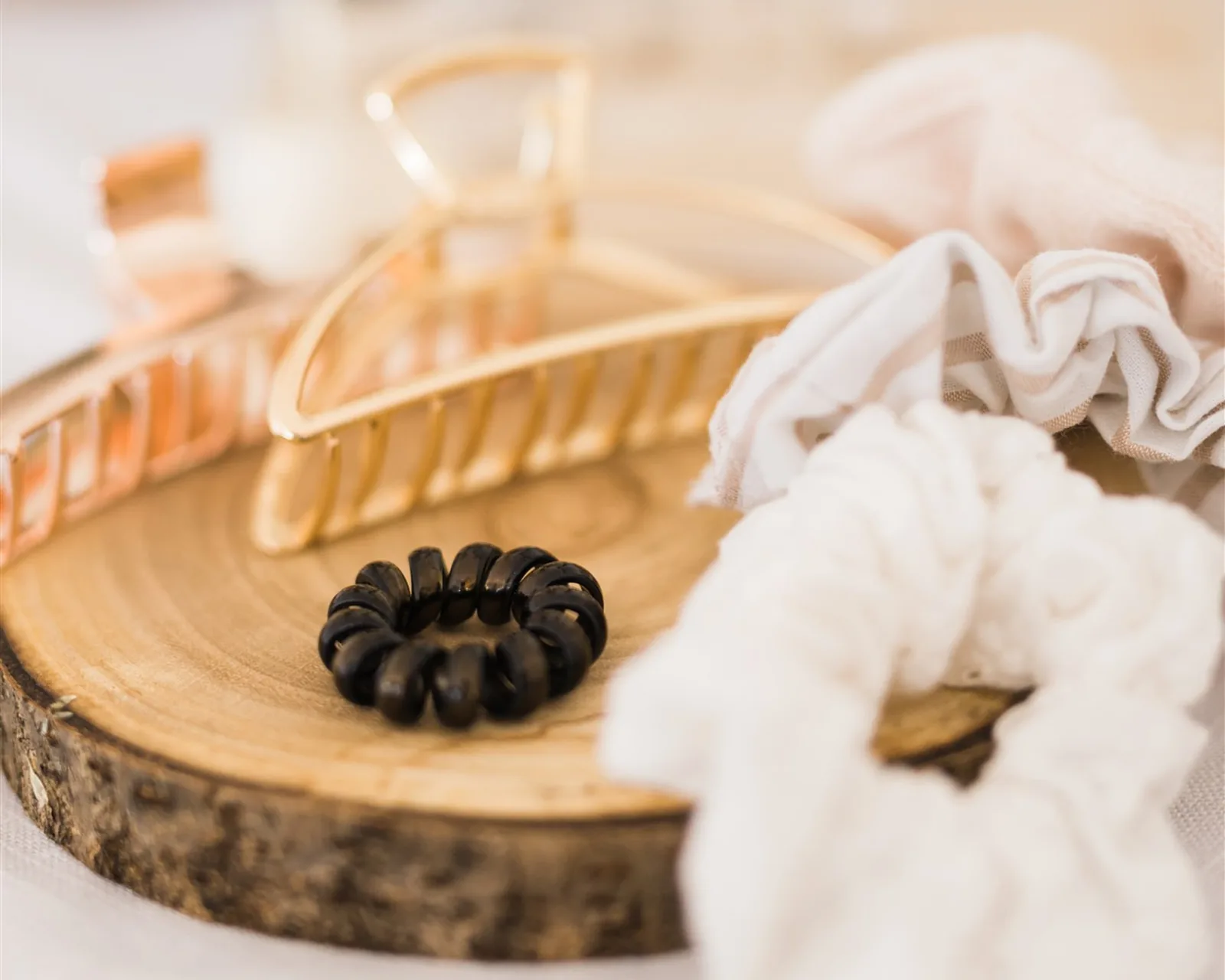
Hair accessories and jewellery
As a first step, gather everything you own in one spot — what is in the bathroom, what is in your handbag, what is in the drawer by the mirror — and see which items spark joy.
- Keep what you wear every day in a dish: a glass or wooden tray turns hair accessories and jewellery into a beautiful display.
- What you wear for special occasions goes into a cosmetic bag or a jewellery box.
- If there are numerous clips and elastic bands, divide the space into compartments, one for each type.
If you have a hair tie that sparks joy but you never wear it, tie it to the neck of a hanger or turn it into a curtain tassel. That way you still see it and use it, instead of it sitting in a drawer.
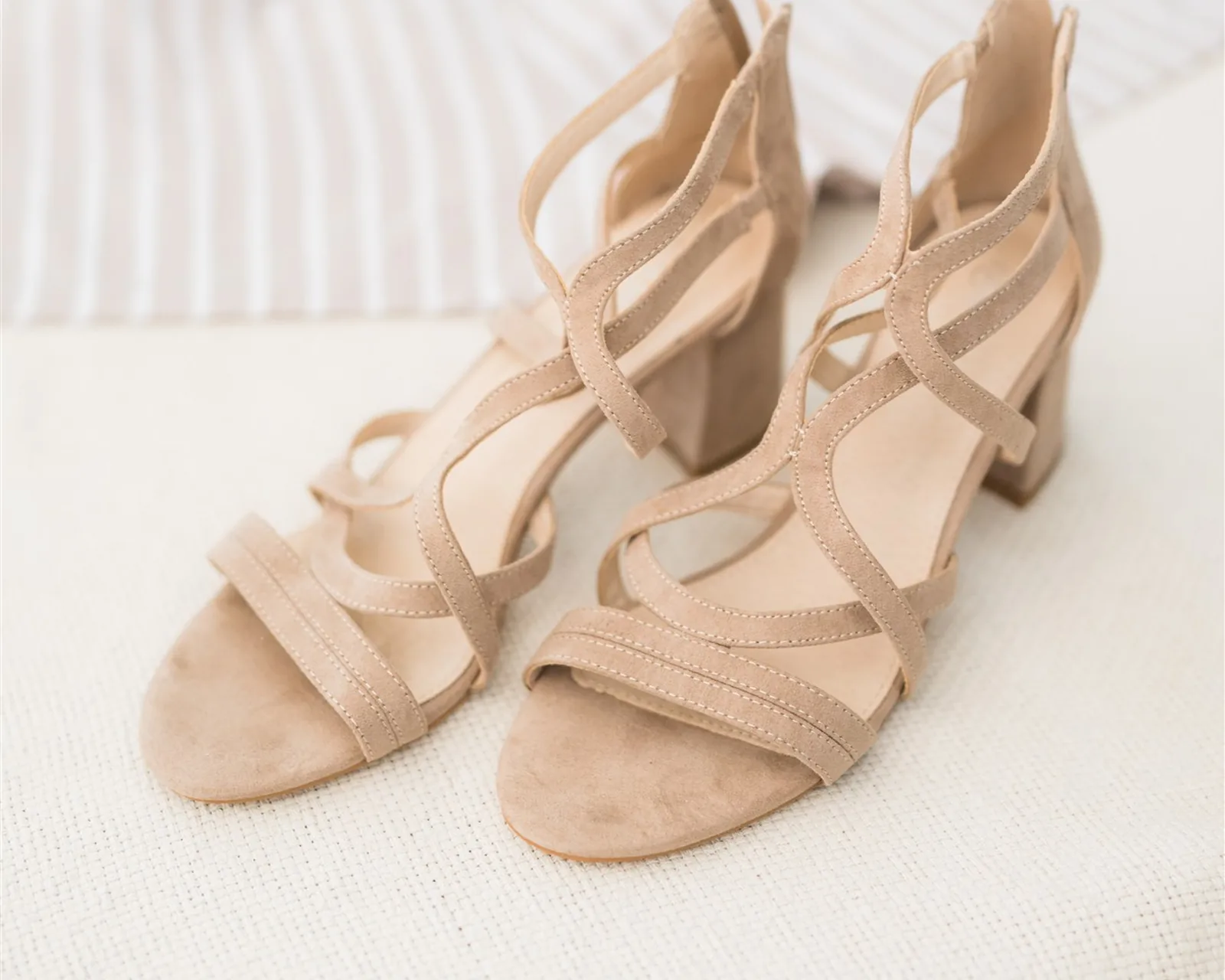
Shoes
When decluttering, shoes take the same steps as clothes: pile-forming and joy-checking. Bring out every pair, including the ones in boxes and the ones waiting to be mended.
When storing, place them in categories — sandals, trainers, formal shoes, boots — so every kind has a place of its own and goes back to the same spot after you wear it.
Boxes or an open shelf
There are two ways to store shoes: directly on a rack or shelf in the closet, or first in their boxes, which you then arrange. If you have enough space, lining up the shelves without the boxes is preferable, because boxes take up extra room.
A box earns its place when more than one pair goes into it — beach sandals, for instance. Then the box is a saving rather than a cost.
Shelf heights
Shoe shelves lose a lot of height. So leave one shelf taller, for boots — typically the first or the last — and set the others significantly shorter.
If the shelves cannot be moved, Z-shaped inserts do the same job, splitting one spot on the shelf into two levels.
Store the heaviest footwear at the bottom and rise to lighter things, sandals on top. What you wear this season stays within reach, and the shelf looks calmer.
If several people live in the home, make sure each person has a space of their own. That is the quickest way for order in the hallway to keep itself, without anyone having to agree on anything.
Questions that keep coming up
Do shoes and accessories belong to the clothes category?
They do. In the KonMari® method shoes, bags, jewellery, hats, scarves and glasses are part of the first category, together with clothes. We work through them after clothes, because there are many of them and the decisions are a little harder — by the time you have finished the clothes, recognizing joy already comes more easily.
What about a bag that was expensive, or a gift, and I never carry it?
Treat it the way you treat clothes: take it, go out with it and ask yourself whether you want to carry it, without thinking about the price or who it came from. If there is no delight, donate or sell it without hesitating. If the bag carries a deeper meaning because of the person it came from, leave it for sentimental items, the last category.
What about jewellery I inherited?
Inherited jewellery almost always belongs to sentimental items rather than the first category. Set it aside in a separate box and come back to it at the end of the KonMari festival. By then you will decide about it more calmly and more clearly.
How do I keep the hallway tidy when shoes come and go all day?
Everyone is chronically short of storage space, and that is the real cause of the mess in the hallway. If it is at all possible, invest in a made-to-measure wardrobe that goes all the way to the ceiling — it pays off more than any organizer. Alongside it, a bench with shelves for the shoes you are wearing right now is an excellent addition: everything in use has a place of its own and stays under control.
Not sure where accessories should live?
Bags, jewellery and shoes are most often the category where space is looked for rather than found. Book a free 20-minute call and we will look at where to start, together.