How to make bio-enzyme and other natural zero waste cleaning products
Bio-enzyme, white vinegar and baking soda —
three things that clean almost everything in a home
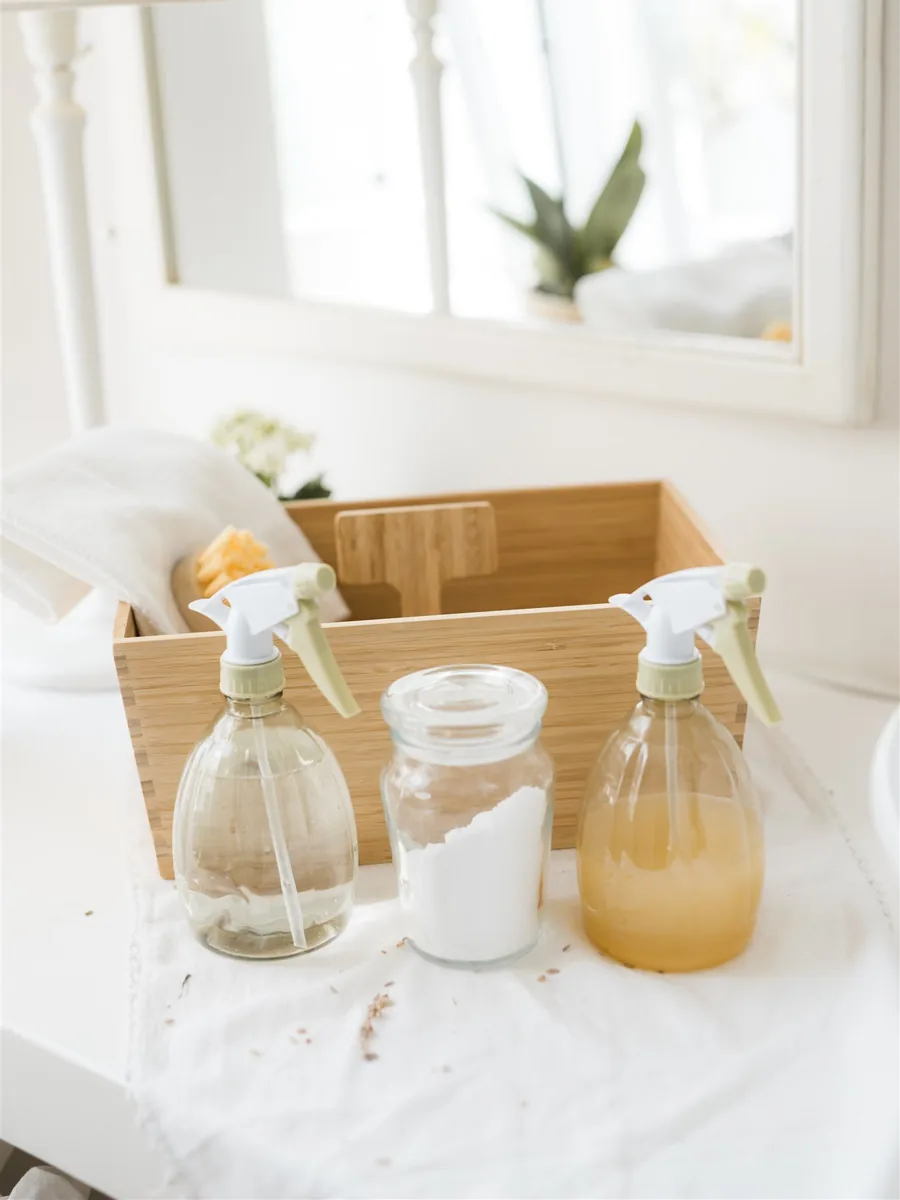
The three best natural cleaning agents are bio-enzyme, white vinegar and baking soda. Between them they clean almost everything in a home, and all three fit into one small box.
Vinegar and soda are also behind the most widespread cleaning myth of all — that together they clean better. That comes first, before the recipes.
If you are only starting out, the six kitchen replacements come before this and are simpler to bring in.
Why vinegar and soda do not mix
Mix white vinegar with baking soda and what you get is salt and water. The strong reaction and the bubbles leave the impression that something abrasive is happening, and that it means a better clean. It does not.
The answer is to use them separately. A mixture of water and vinegar handles everyday cleaning of everything from surfaces to windows, while baking soda is for scrubbing and lifting stains.
Vinegar and baking soda
The white vinegar dilution
Fill a spray bottle halfway with water and halfway with white vinegar. That is the whole recipe.
Baking soda
In a small bowl, make a paste of baking soda and a little water, apply it to the surface you are cleaning and scrub with a cloth. For tougher stains, leave the mixture on for fifteen minutes before wiping it down. For the bottom of the toilet bowl, leave the soda overnight.
What to clean with which?
Vinegar and baking soda will clean much the same things. I use diluted white vinegar for everyday cleaning, and reach for the soda whenever something needs scrubbing or a stain needs lifting.
- Kitchen — microwaves, ovens, fridges, hobs, countertops, tiles, the sink and a clogged drain, silverware, mugs stained by coffee and tea, pots and pans.
- Bathroom — toilets, toilet brushes, showers, bathtubs, basins and tiles.
What is the difference between baking soda and washing soda?
They sound alike and both are environmentally sound, and you can even turn baking soda into washing soda by heating it in the oven for two hours at 200 °C. They are still not the same thing.
Washing soda works better as a laundry booster, a water softener and a stain remover for textiles. Baking soda cleans hard surfaces, tiles, stainless steel and glass.
Baking soda also doubles as a leavening agent in the kitchen, in dental hygiene and on skin, none of which washing soda can do.
How to make bio-enzyme
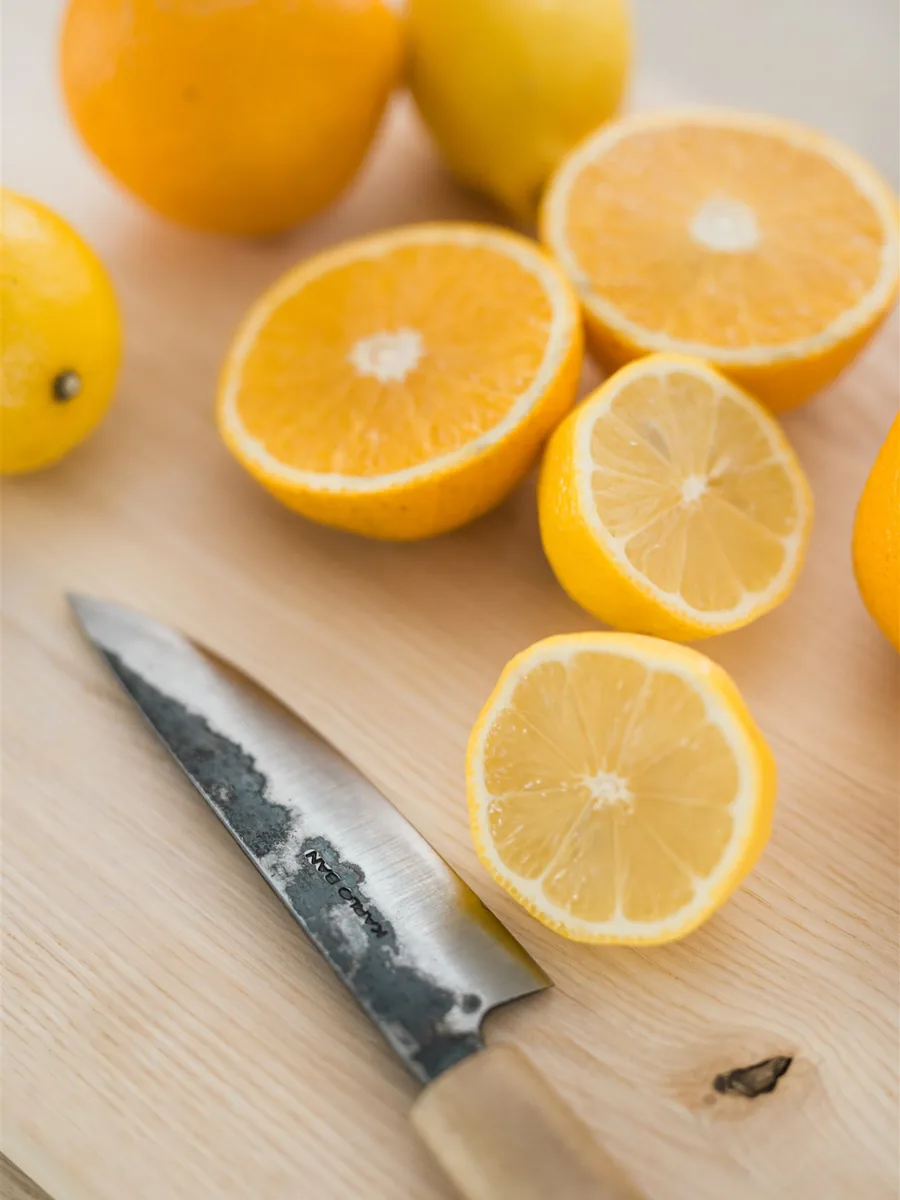
Bio-enzyme is an organic solution formed by fermenting fruit and vegetable scraps — peels and seeds — together with sugar and water.
Their ratio is 10 : 3 : 1. For every ten parts of distilled water there are three parts of fruit and vegetable scraps and one part of sugar.
You will need a five-litre plastic bottle. I reuse the one the white vinegar or the distilled water came in.
The steps
- Add the water and the sugar and shake the bottle.
- Add the fruit and vegetable scraps and shake it all again.
- Leave it for three months somewhere dark and cool.
- During the first week, open the bottle every day to release the gases from fermentation, and shake it.
- After three months, strain the liquid through a sieve into a carboy or another vessel.
- Dilute the bio-enzyme with water and pour it into a spray bottle.
What to watch for
- Use brown sugar, which holds more minerals than white.
- Use a plastic bottle rather than glass — the gases can break glass.
- If you see worms, add another hundred grams of sugar and close the cap tightly.
- For a better smell, use more fruit than vegetables, citrus above all.
- After straining, put the leftover scraps in the garden if you have one. If you do not, take them out into nature — they make good fertiliser.
Five ways to use bio-enzyme
An all-purpose cleaner
Dilute 100 ml of bio-enzyme in one litre of water. That cleans kitchen and bathroom surfaces, floors, windows and whatever else you come across.
Watering plants and the garden
Mix 30 ml of bio-enzyme with two litres of water and spray. Do not use it undiluted — it is far too strong.
Clearing garden pests
Mix 15 ml of bio-enzyme with 500 ml of water and spray the plants.
A natural hair shampoo
Bio-enzyme can be used as a shampoo too. As with anything that goes on skin, try it on a small area first.
Purifying the air
Bio-enzyme purifies the air and removes unpleasant smells, so it belongs wherever odours tend to linger.
Which cloth to use
The best waste-free option is to reuse an old towel or t-shirt. The second best is to ask a friend, or someone from a zero waste group, whether they have a towel or a t-shirt to spare.
If you do have to buy one, look for natural fabric — organic cotton or bamboo.
Avoid microfibre cloths wherever you can. They are made of synthetic fibres that wash out into the water system, and from there into the environment and into animals.
Alongside the cloth I recommend a wooden brush with natural bristles, for the times a cloth is not enough.
Where to go next
After the home itself, the bathroom is next. I write about that in the texts on an emulsion for removing makeup and home-made toothpaste. Every text sits on the zero waste page.
In the KonMari method, cleaning products belong to komono, where they have a subcategory of their own.
Not sure where to begin?
I offer zero waste consultations in Zagreb and the surrounding area. Book a free 20 minute call and we will look at your home together.