Fold it
Anything soft or flexible — not only clothing, but gloves, cloth komono, bags and laundry nets. It minimizes the size and lets you store far more.
Four steps, four principles of storage —
and all twenty-five subcategories in one place
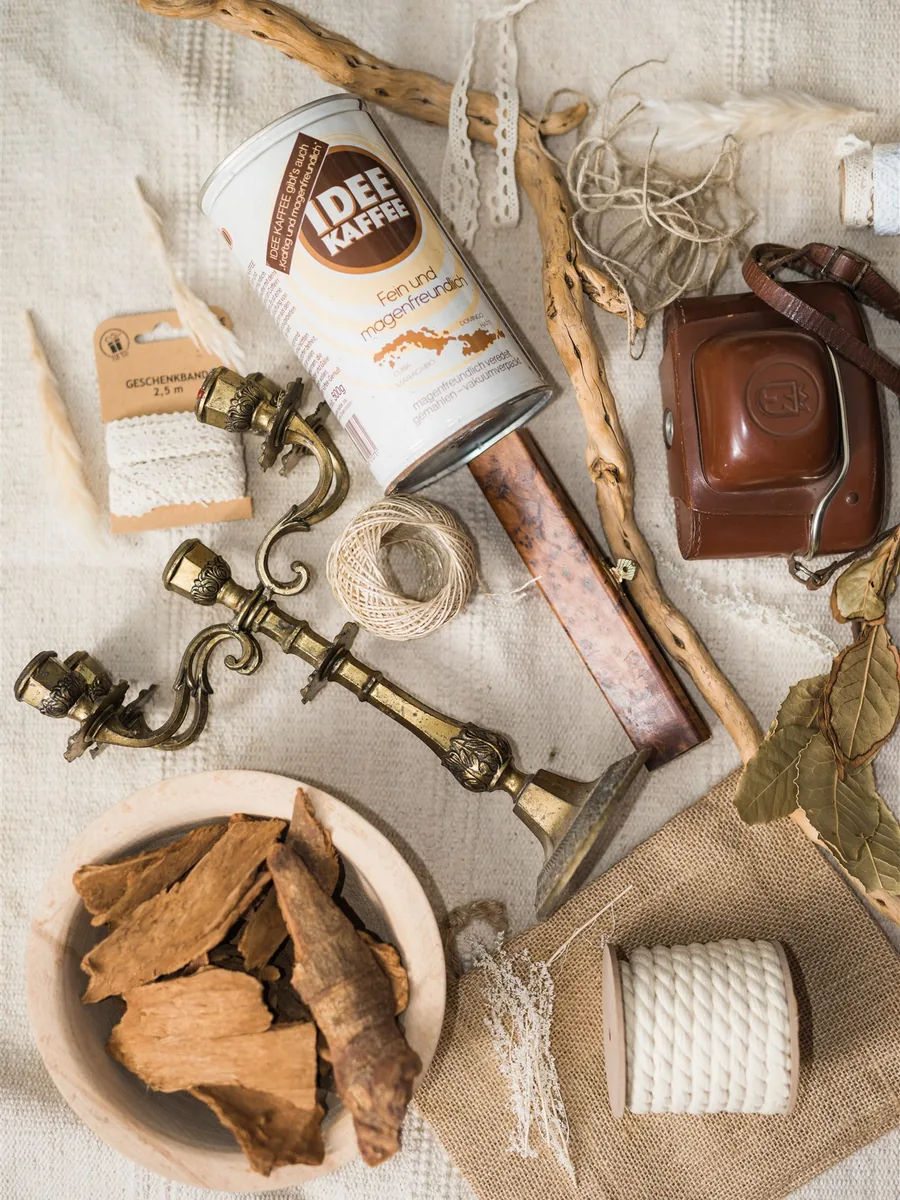
Komono (miscellaneous items) is the fourth category and the largest of all five. It is everything that is not clothes, books, papers or sentimental items — kitchen and bathroom utensils, electronics, tools, hobbies, medicines, ornaments.
You can follow the list of subcategories in the order it is written or in the order that is easiest for you. The kitchen and the bathroom usually come last, because they are the hardest.
Keep an eye out for items that are really sentimental. Somewhere in komono you will come across something like your grandmother's kitchen towel or your father's camera — put them in a special box until you reach the fifth category.
Komono is the fourth category in the KonMari® method, after papers.
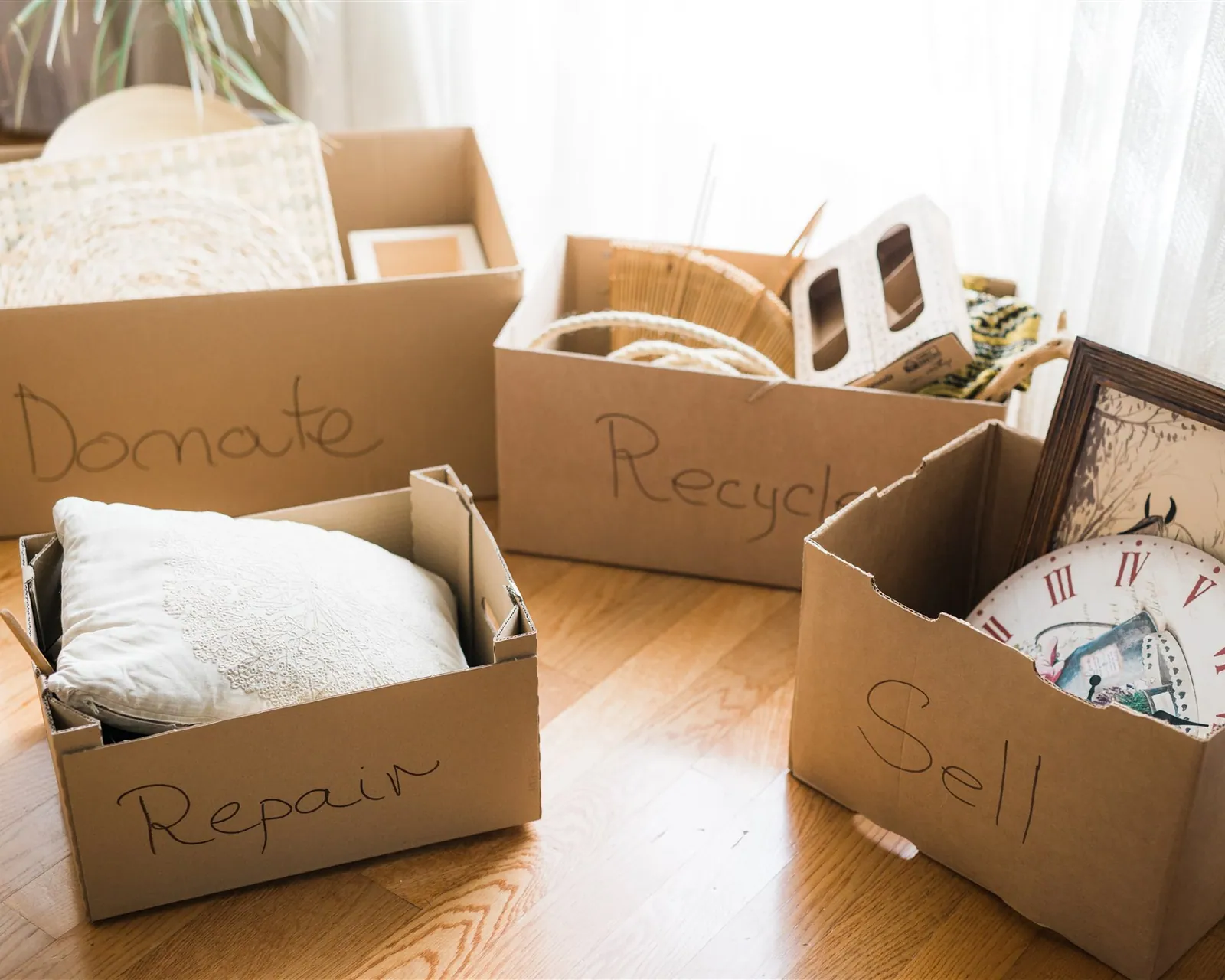
Set up a large surface where you can build piles by subcategory — a clear floor, a table or a bed. Alongside it, prepare boxes for four destinations: selling, donating, repairing and recycling.
Komono is not decluttered all at once. Choose one subcategory, finish it, and only then move on to the next.
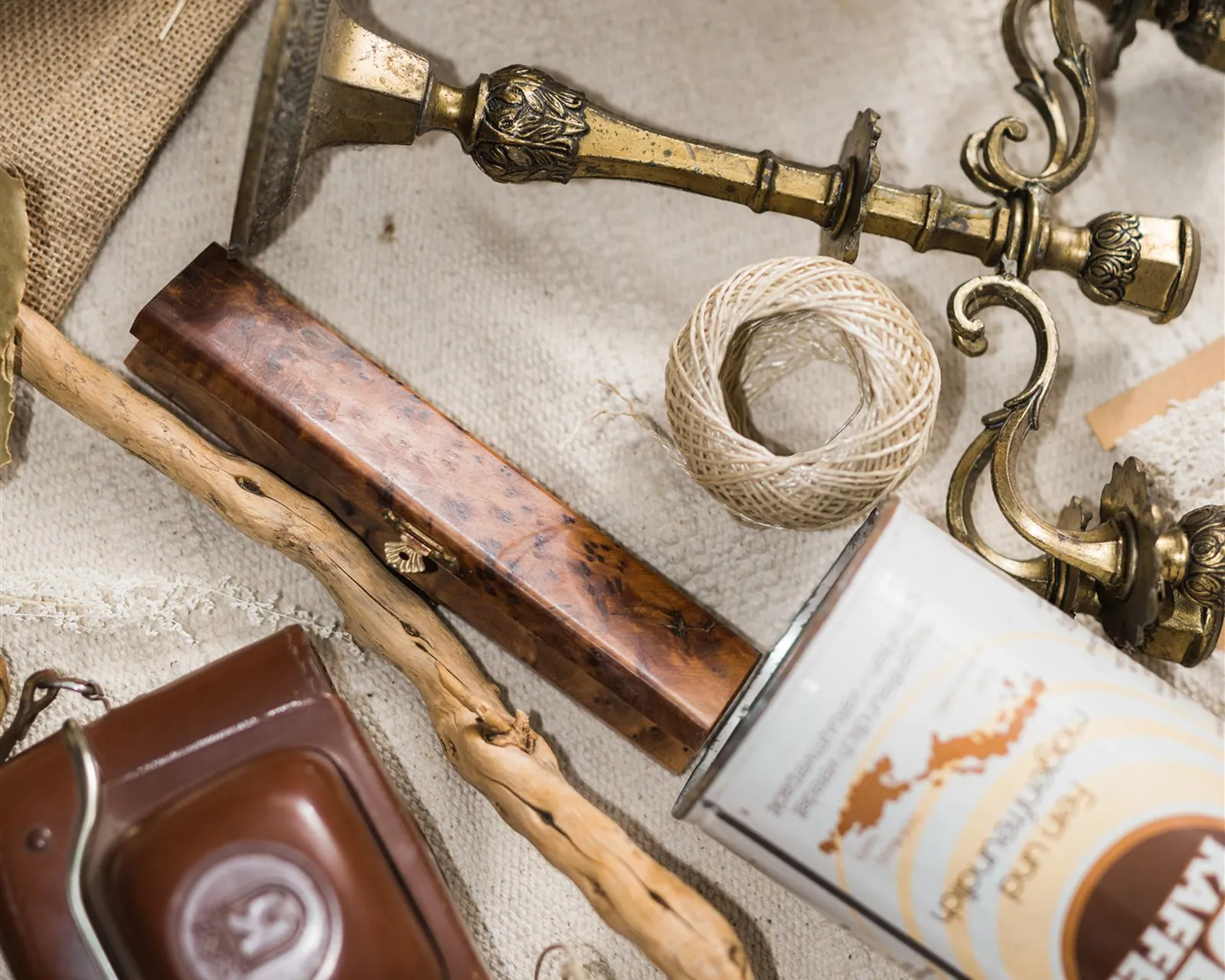
Once you have decided which subcategory you are working on, locate every such item in your home and add it to the pile.
That way you not only work through the subcategory properly and find it a new home, but the pile shows you the real quantity for the first time — and whether that quantity feels excessive to you.
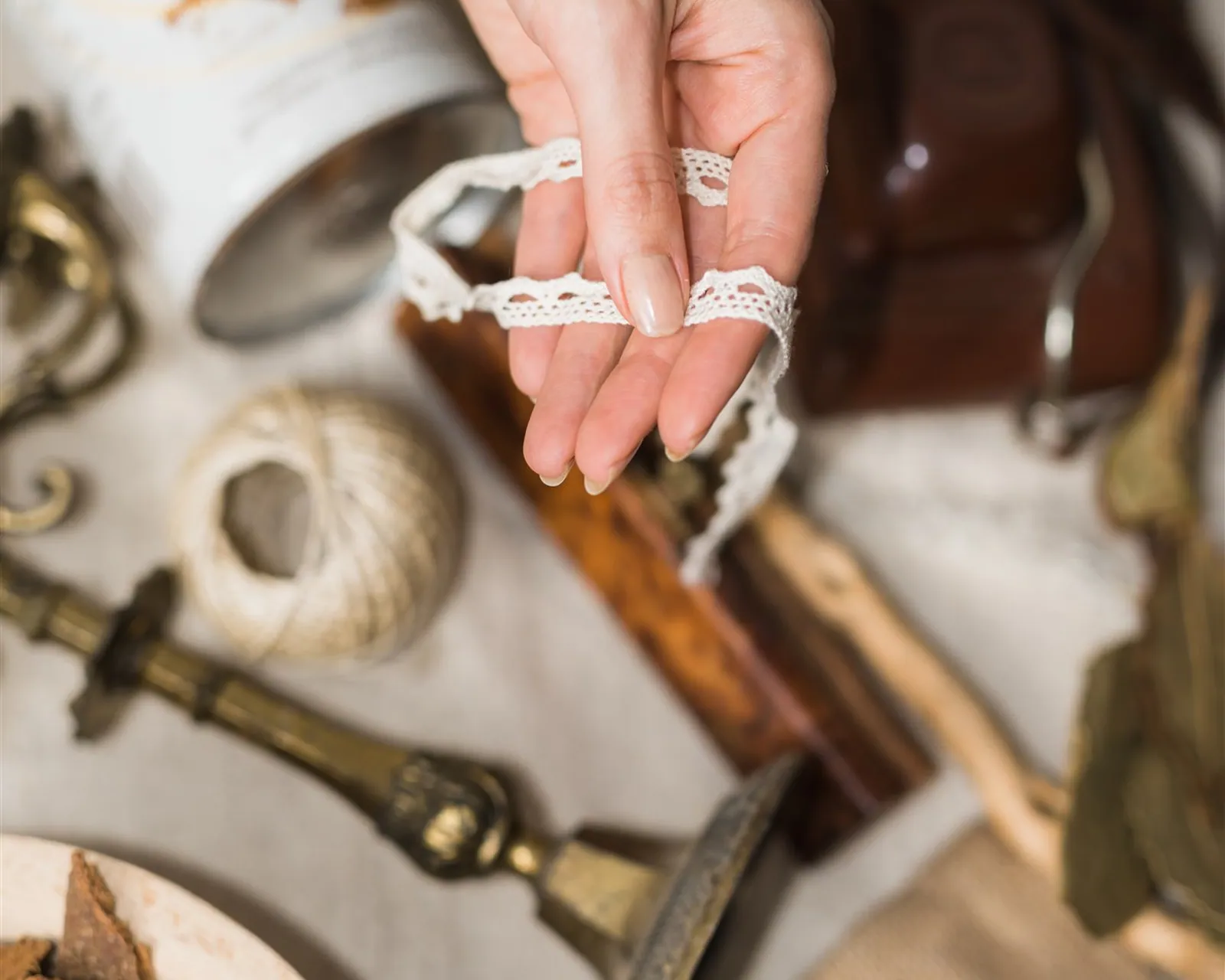
Once the pile is ready, you take each item in your hands and feel whether you have joy and happiness in having it in your home.
With komono, joy is the easiest to mistake for something else, so watch out for four values that have nothing to do with it.
Four values that must not be mistaken for joy:
When an item has a history, or we know it is in good condition and might be needed in future, letting go is extremely hard. At that moment it helps to experience it through the eyes of a child: do you feel excitement and delight when you hold it and look at it? Would you buy it if you had never seen it before and came upon it in a shop?
With some items, a hammer for instance, joy does not come through touch. But when we remember the role it plays and how much easier it makes our life, the joy returns. That is functional joy, and it counts.
Thank the item once you have decided it moves on. At some point it brought you joy, and now it has helped you recognize what you love and what you do not. Beyond that, you are sending good energy to the person who will use it after you.
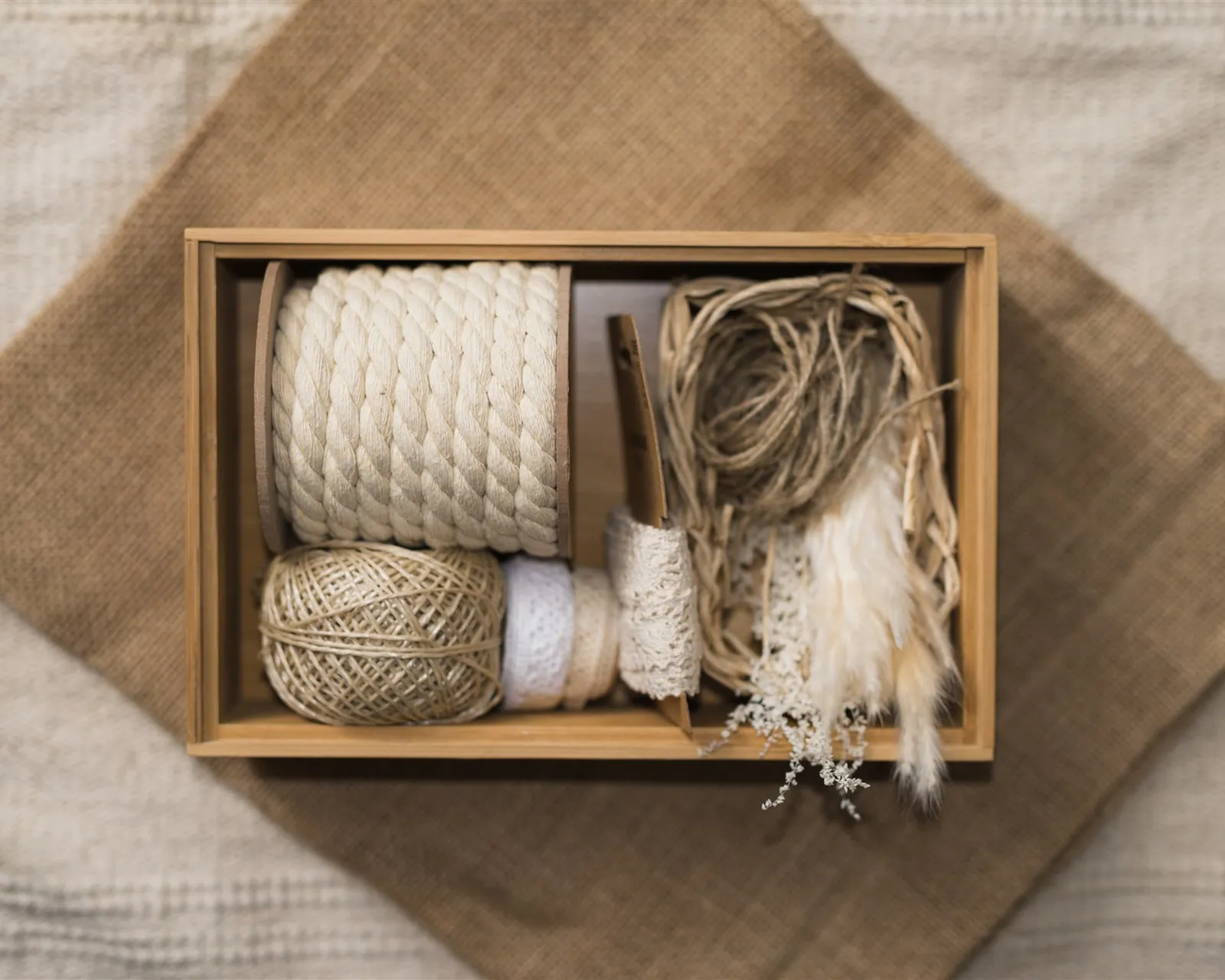
Storage comes last, once you know the exact number and size of what stays. Then you buy boxes once, and buy right.
If all four principles are too hard to remember, stick to the first two. You will quickly notice that you use far less space and that the inside of a drawer is suddenly easy to read.
Anything soft or flexible — not only clothing, but gloves, cloth komono, bags and laundry nets. It minimizes the size and lets you store far more.
Anything that can be held on edge without falling goes upright rather than lying flat in a drawer: folded clothes, stationery, medicines.
In a family, sort by person, category and type of material. It is easier when the towels are not all in the bathroom, but each person's are in their own spot.
A home is made of rectangles, so choose square boxes rather than round ones — they leave no lost corners.
If all four are too hard to remember, stick to the first two. You will quickly notice that you use far less space and that the inside of a drawer is suddenly easy to read.
Standing things upright has three advantages. You use the full height of the storage space. You see everything at once and can take or return one item without disturbing the rest. And you avoid the pile, where whatever is at the bottom is crushed and invisible. Towels are the exception, because they are used daily and taken from the top.
A free 20-minute call is the easiest first step. We go through your situation, with no obligation at all.
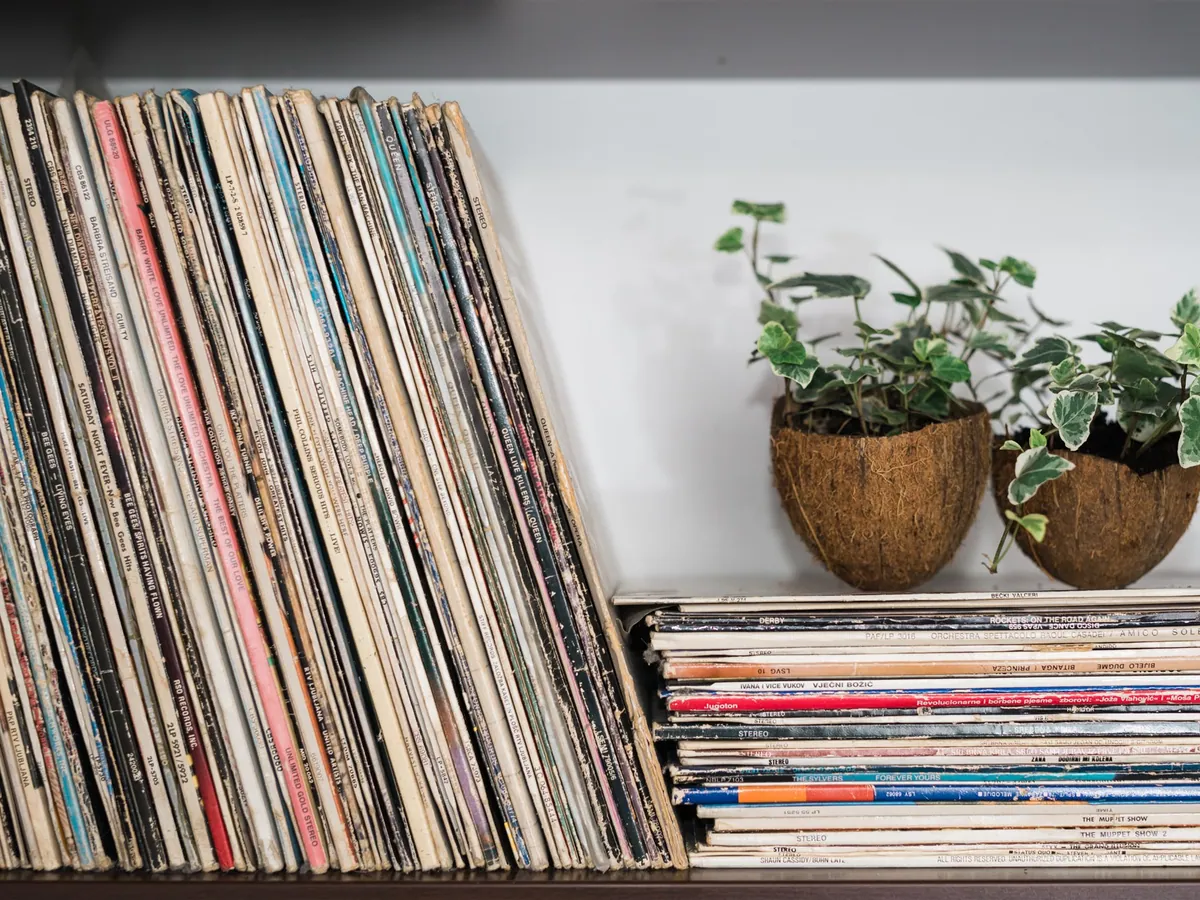
With vinyl the decision is harder than with CDs, because it feels as though we hold something valuable and might regret letting it go. Yet there is no difference between an older and a newer thing — the only guide is whether your heart skips a beat when you see it. What sparks joy but has nothing to play it on, transfer into digital form.
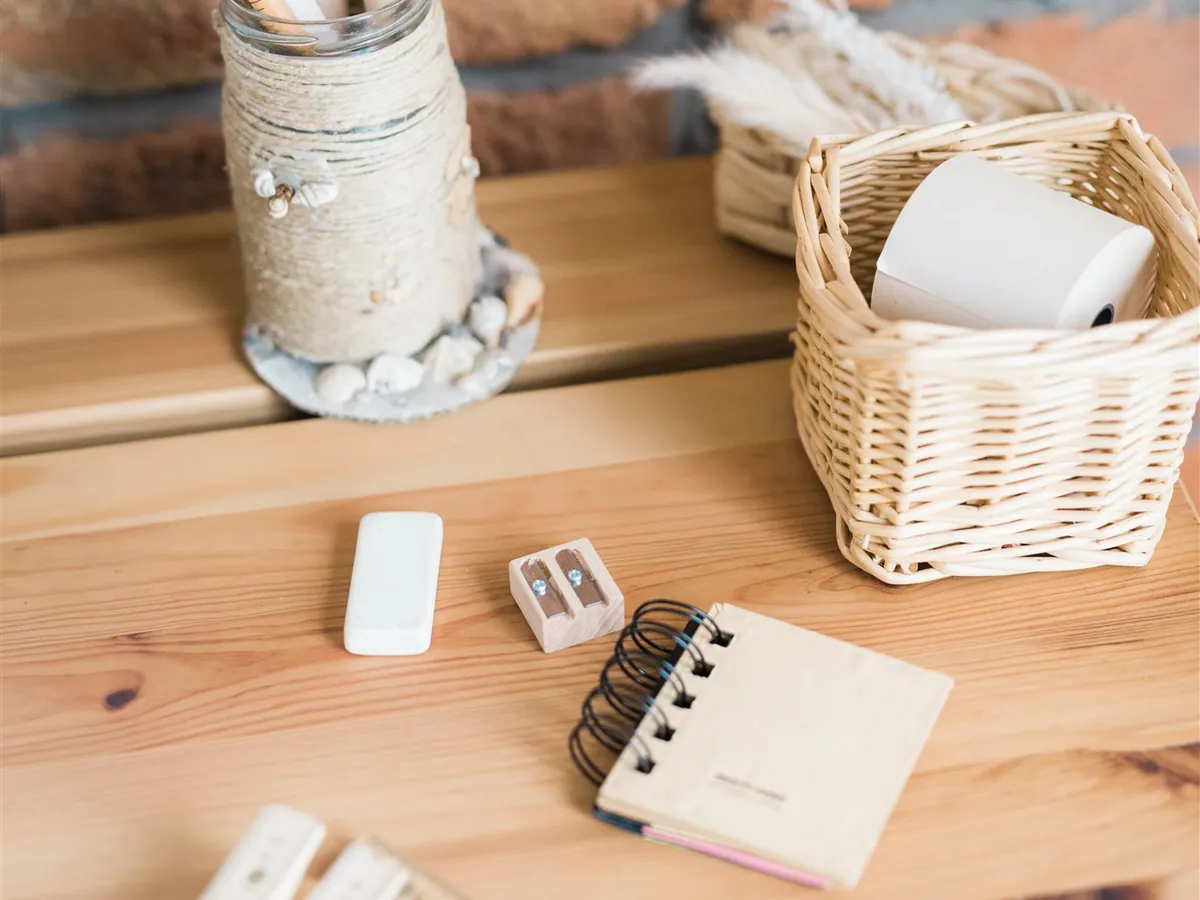
Split them into three: equipment (pens, scissors, rulers), paper-related supplies (notebooks, memo pads, folders) and letter-writing supplies. Check that every pen still writes — it can be surprisingly good fun. Keep only the letter paper that actually makes you want to write.
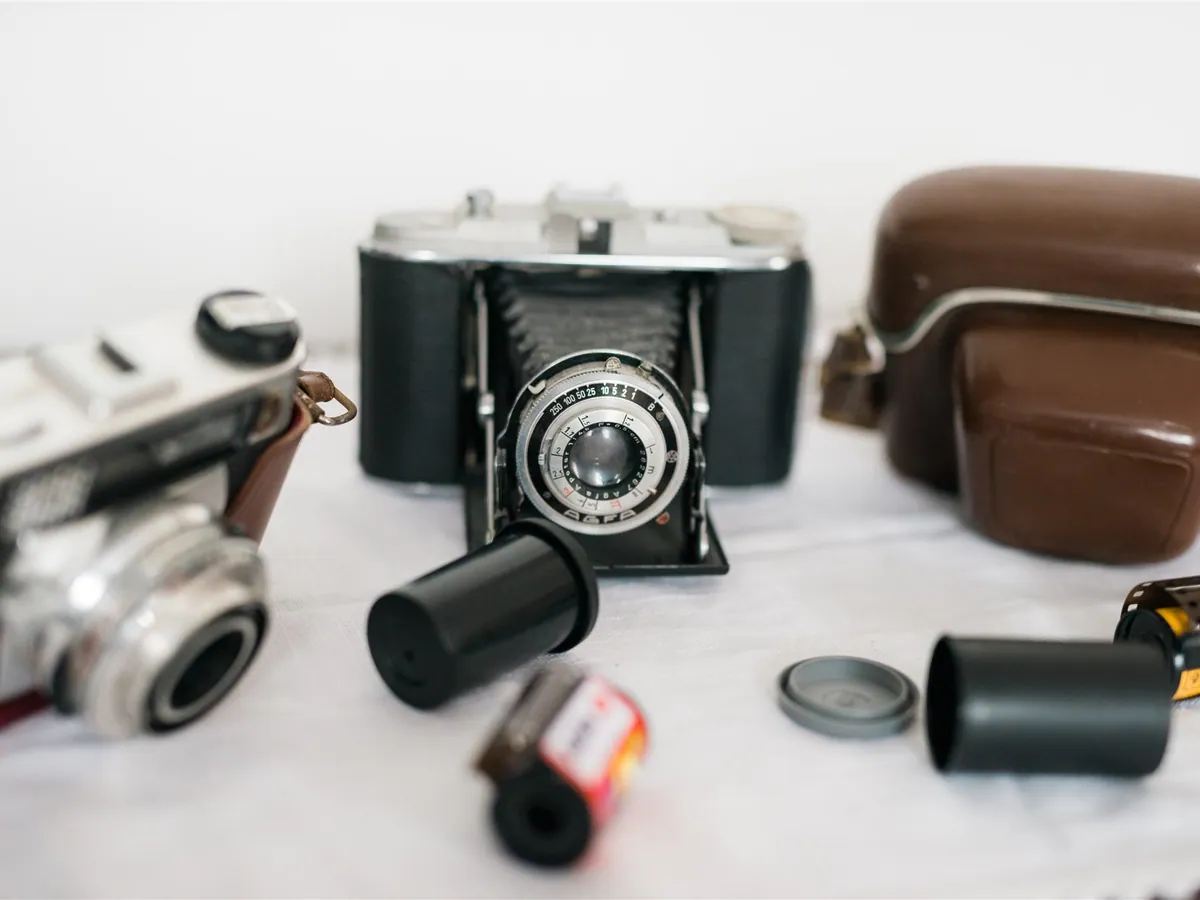
Untangle the cords and chargers first, and only then pick them up one by one. Recycle unused cords guilt free — they are inexpensive and easy to buy again. Throw away the packaging in this case once the warranty expires; you will not sell anything better for having the original box.
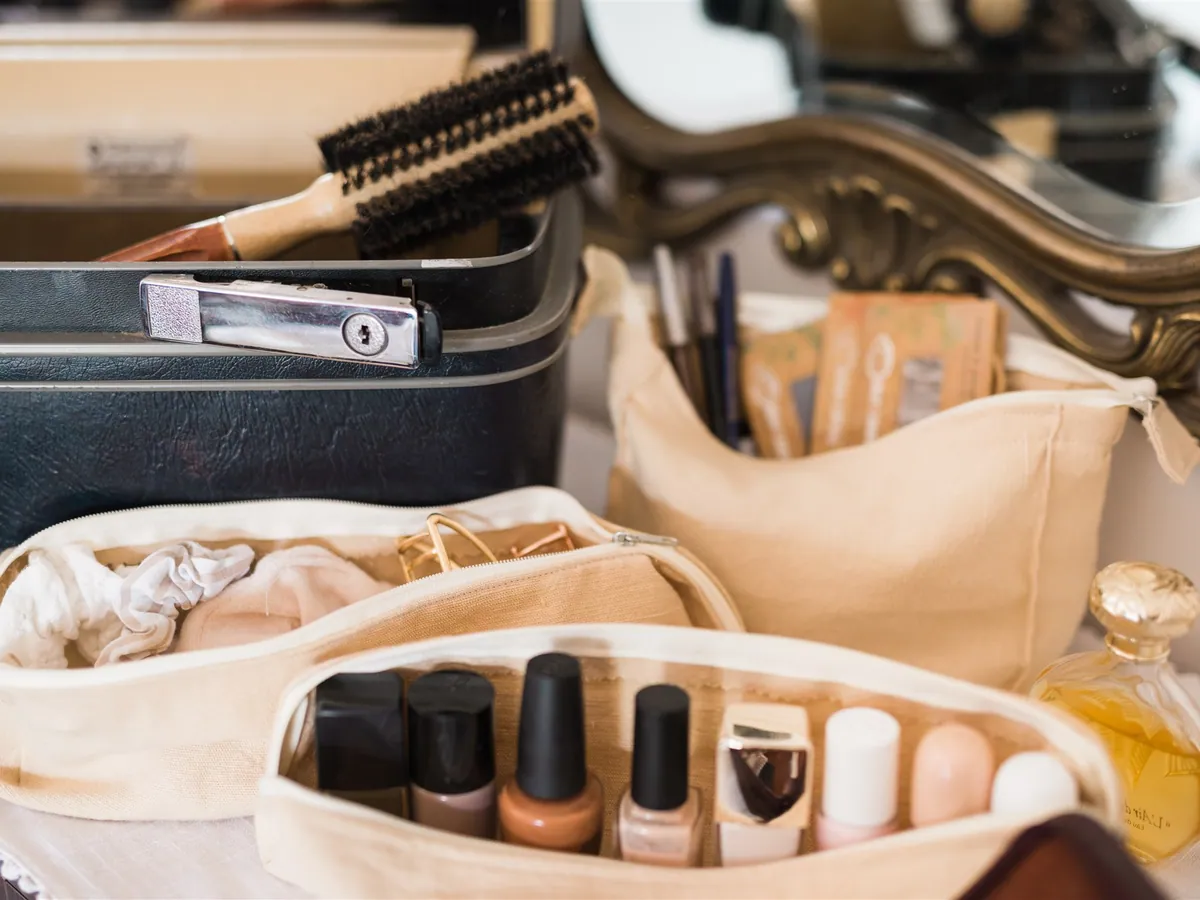
This covers hygiene care (cotton buds, nail clippers, lip balm) and skin care (lotions, shampoos, creams). Gather everything in one place, discard whatever is past its date, and keep only what you use and what your skin is happy with. Store them next to the sink, where you use them.
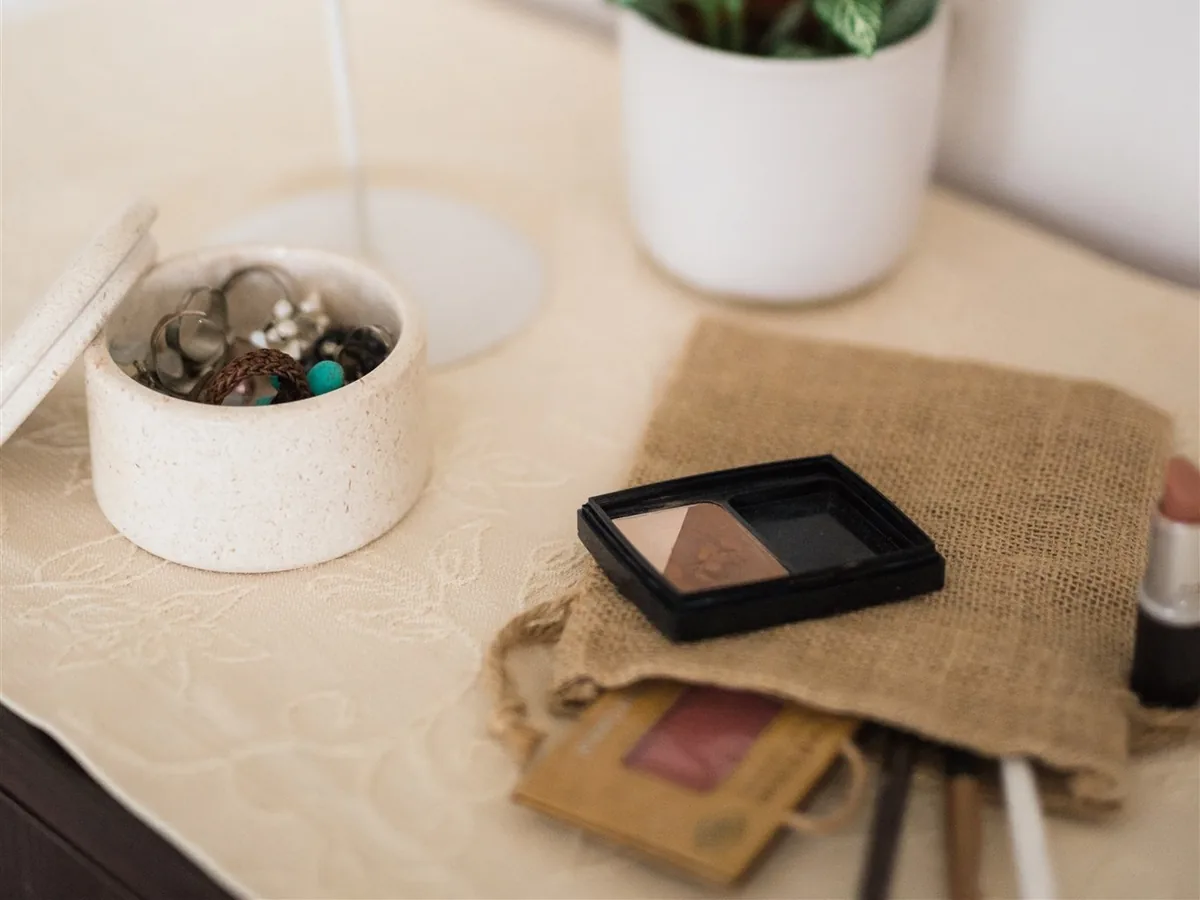
Keep skin care apart from makeup, because its watery consistency easily ruins cosmetics. Makeup lasts a year or two on average, powders aside. Keep what you wear every day in a portable pouch and the rest separated by type — shadows in one container, lipsticks in another.
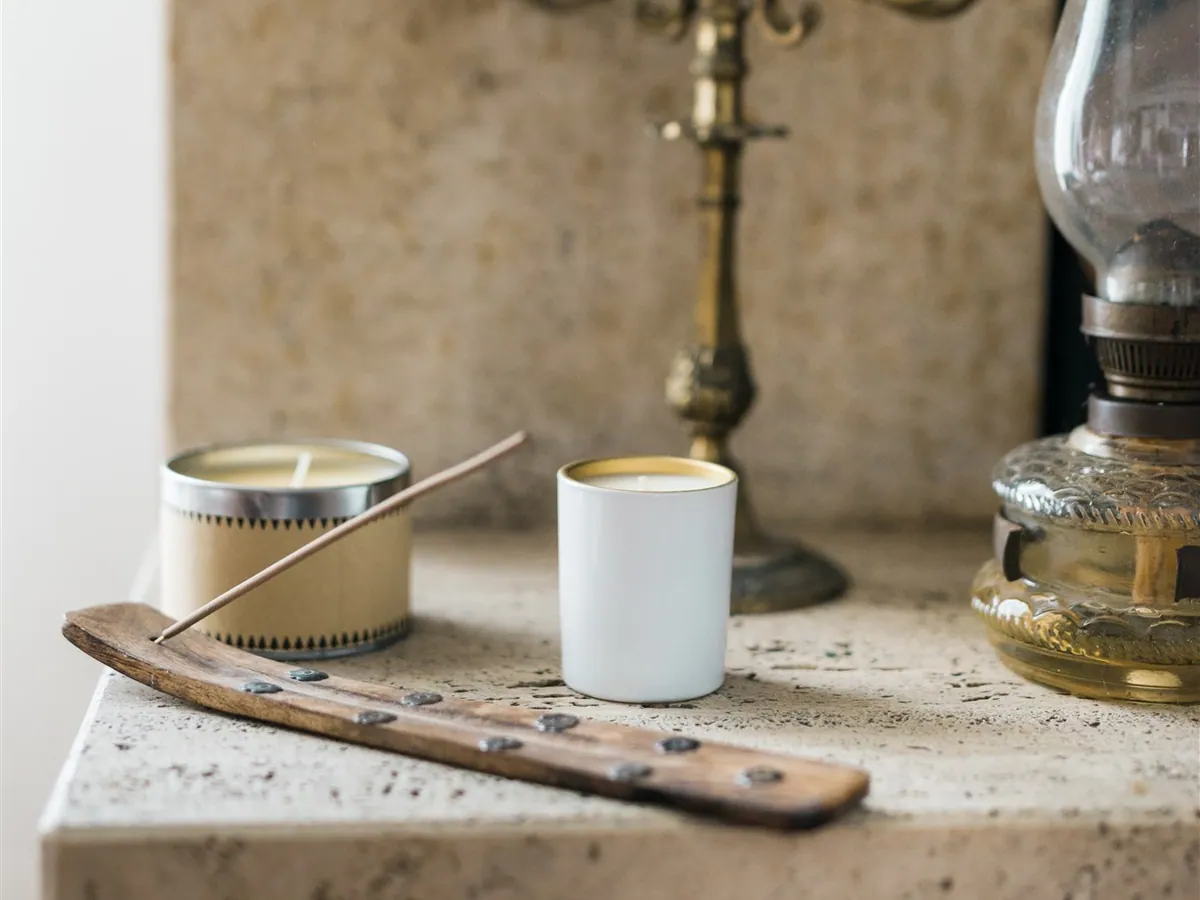
Candles, oils, aromatherapy items and massage tools. Let go of old scents and oils that are no longer pleasant. Store them neatly in a box, ideally one of natural material — wood or rattan — so their benefit reaches you the moment you open it.
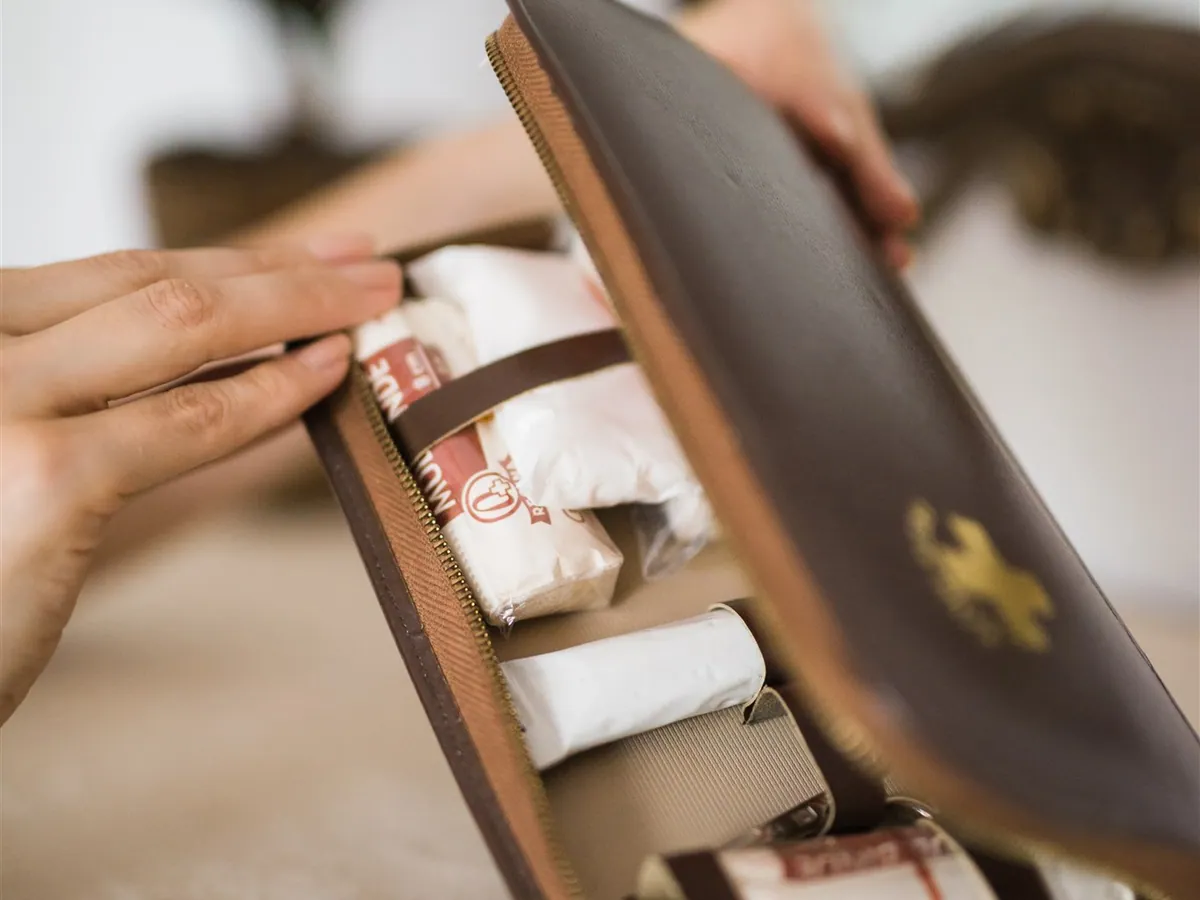
Throw away everything past its date and everything whose purpose you cannot recall. Take them to your local pharmacy, which will dispose of them properly. Keep a small amount in a pouch and a larger one standing upright in a box you find appealing.
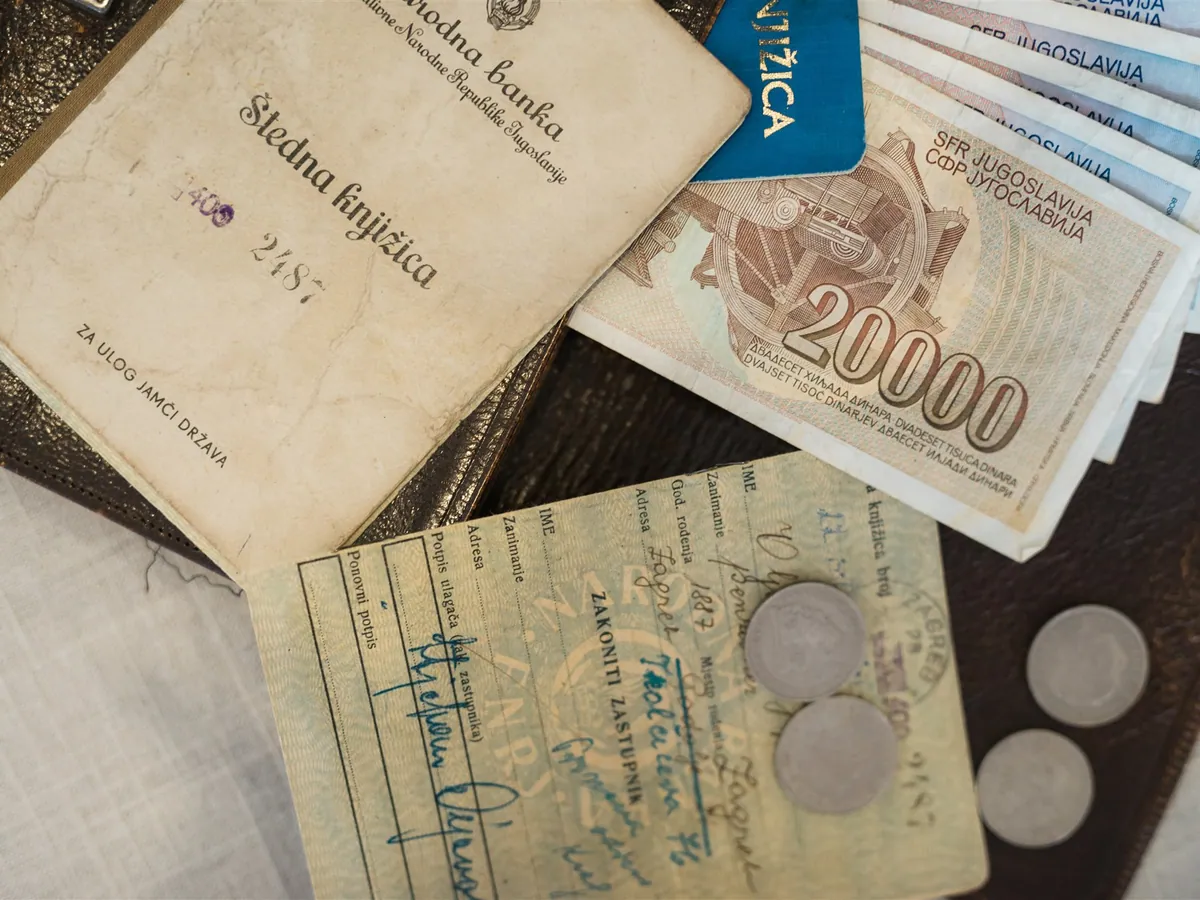
Cash, coins, cards, coupons, a travel wallet, foreign currency and a passport. This is the one subcategory where practicality takes priority over joy. Store them with respect — in a dresser drawer or a wooden box — and set aside a place where the wallet rests.
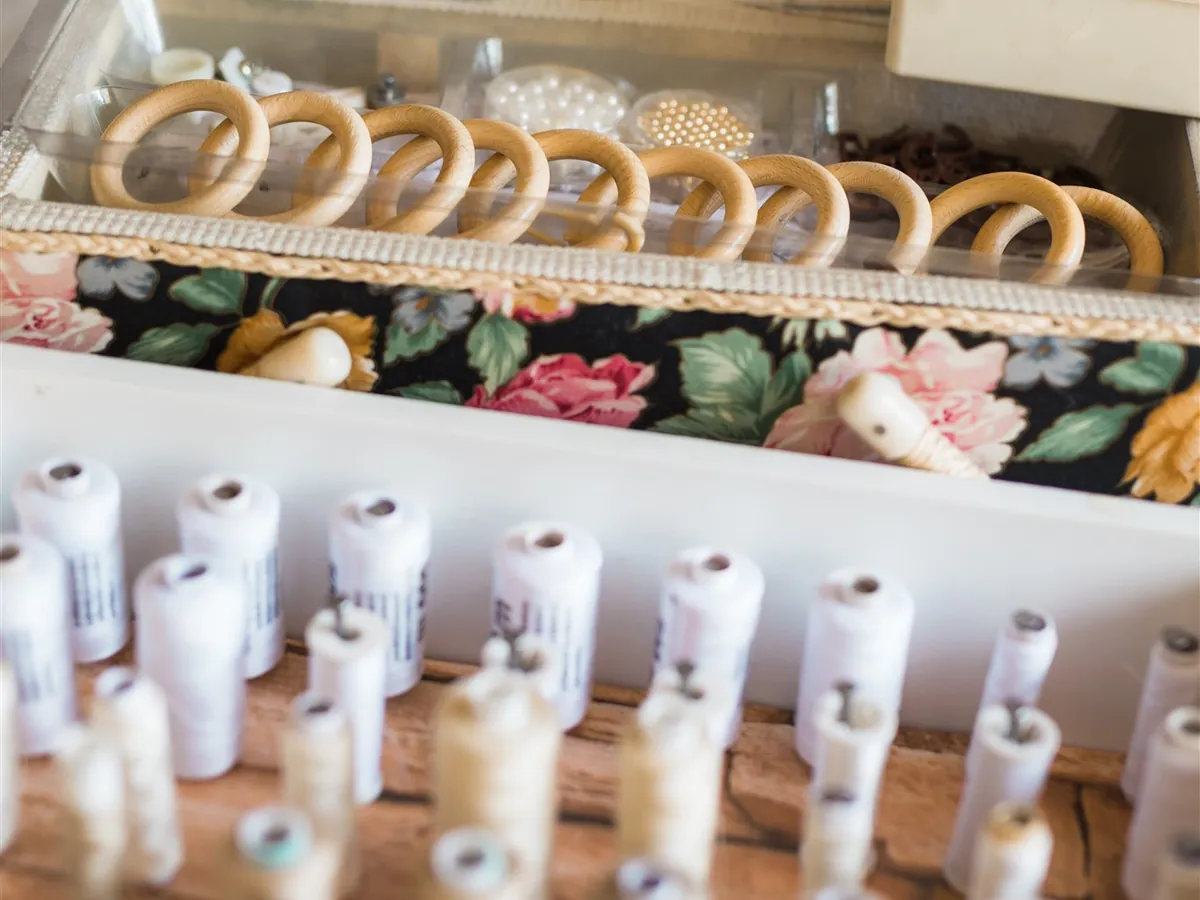
Thread, scissors, needles, tweezers. Let go of what you know you will never use. This is also the right moment to deal with the buttons you meant to sew on and to look through the scraps you saved for some future project.
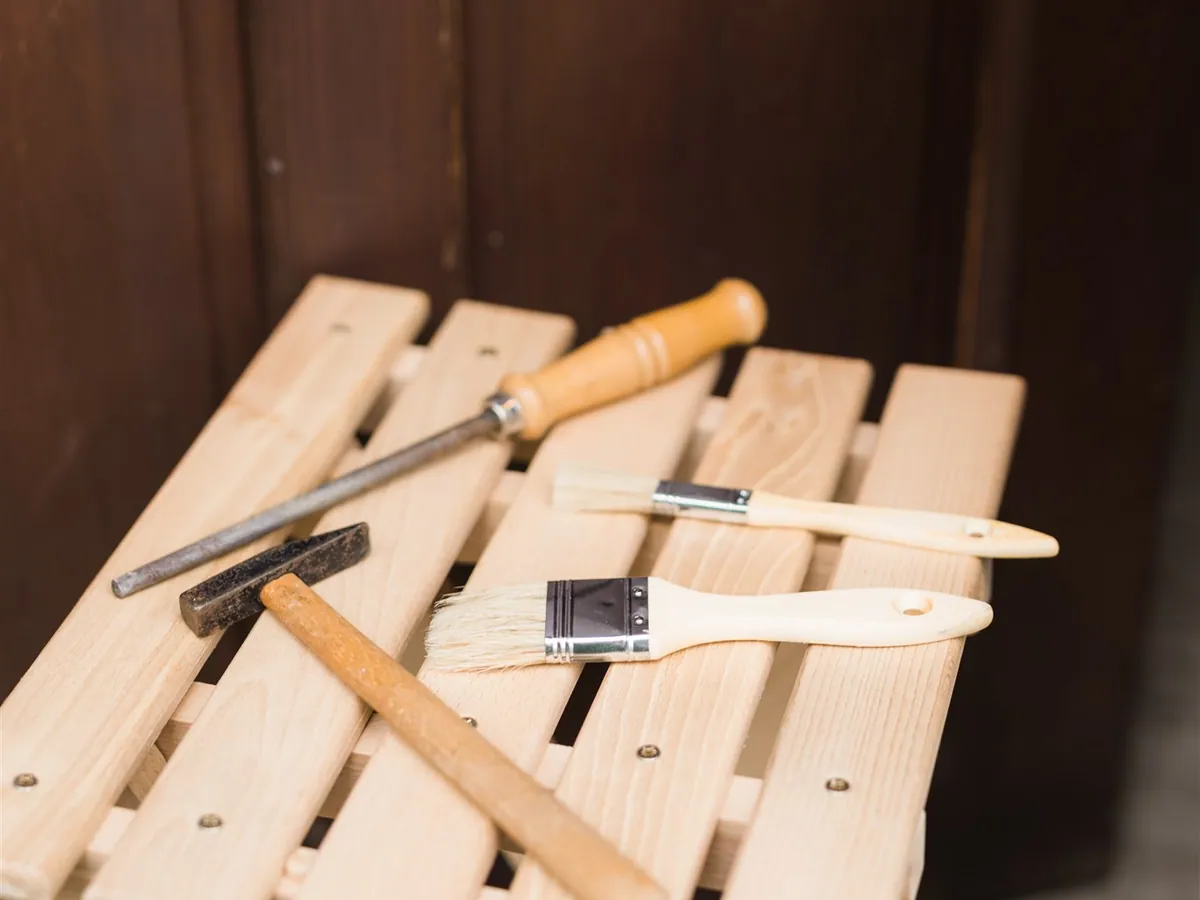
Screwdrivers, hammers, saws, nails and screws, hex keys and bolts whose purpose is unclear. Keep only the essential ones, in a box or a pouch. If you own a house and a lot of tools, give them a place of their own — in the garage or on a pegboard.
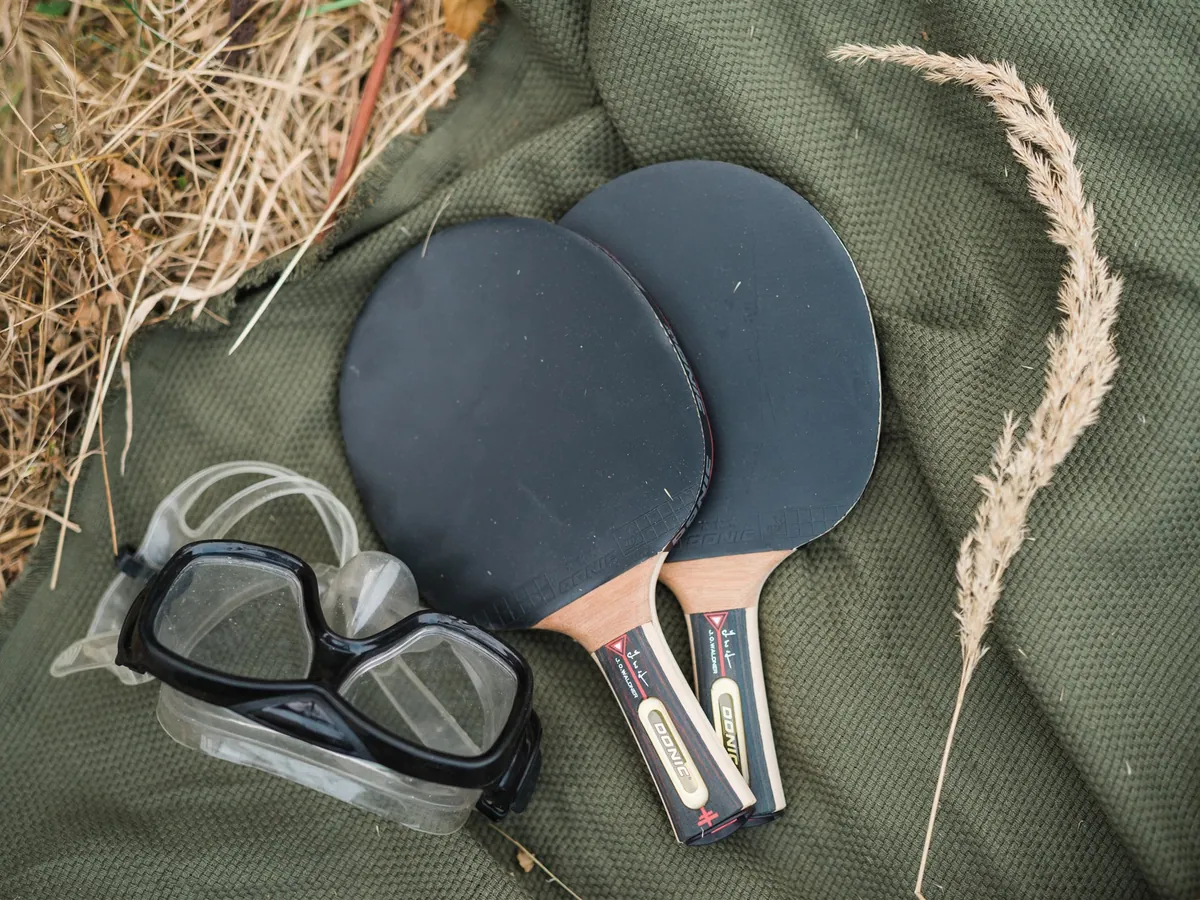
Items for learning, for leisure, and collections. Let go of old hobbies you no longer return to and that do not spark joy. Give what you actually do a place of its own — part of a closet or a dedicated set of drawers.
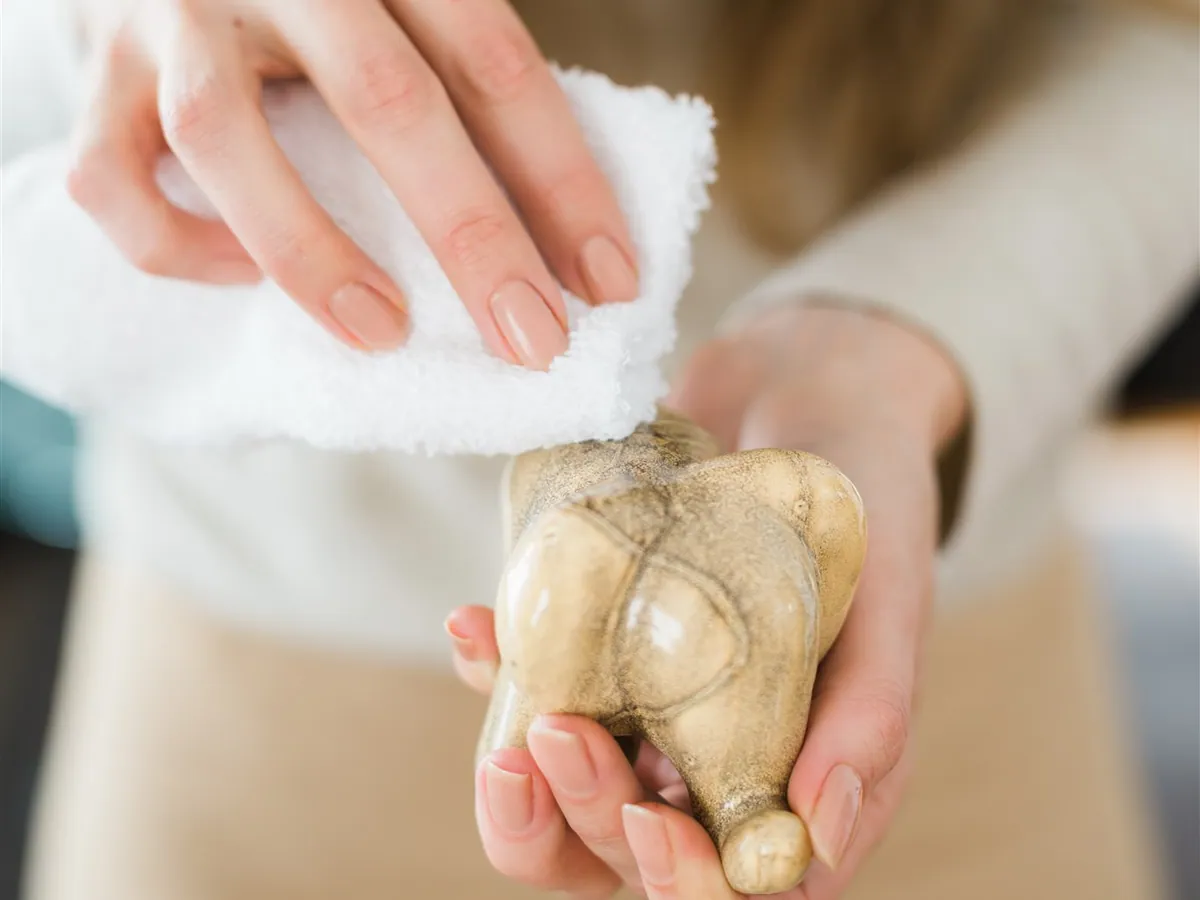
Religious symbols, ceremonial cloth, good luck charms, stones and ritual objects you cherish and that are part of your beliefs. Gather them in one place and look at the condition they are in and whether they still represent what you believe. If there are many, give them a place of their own — a small corner on a cabinet, a shelf or inside the closet.
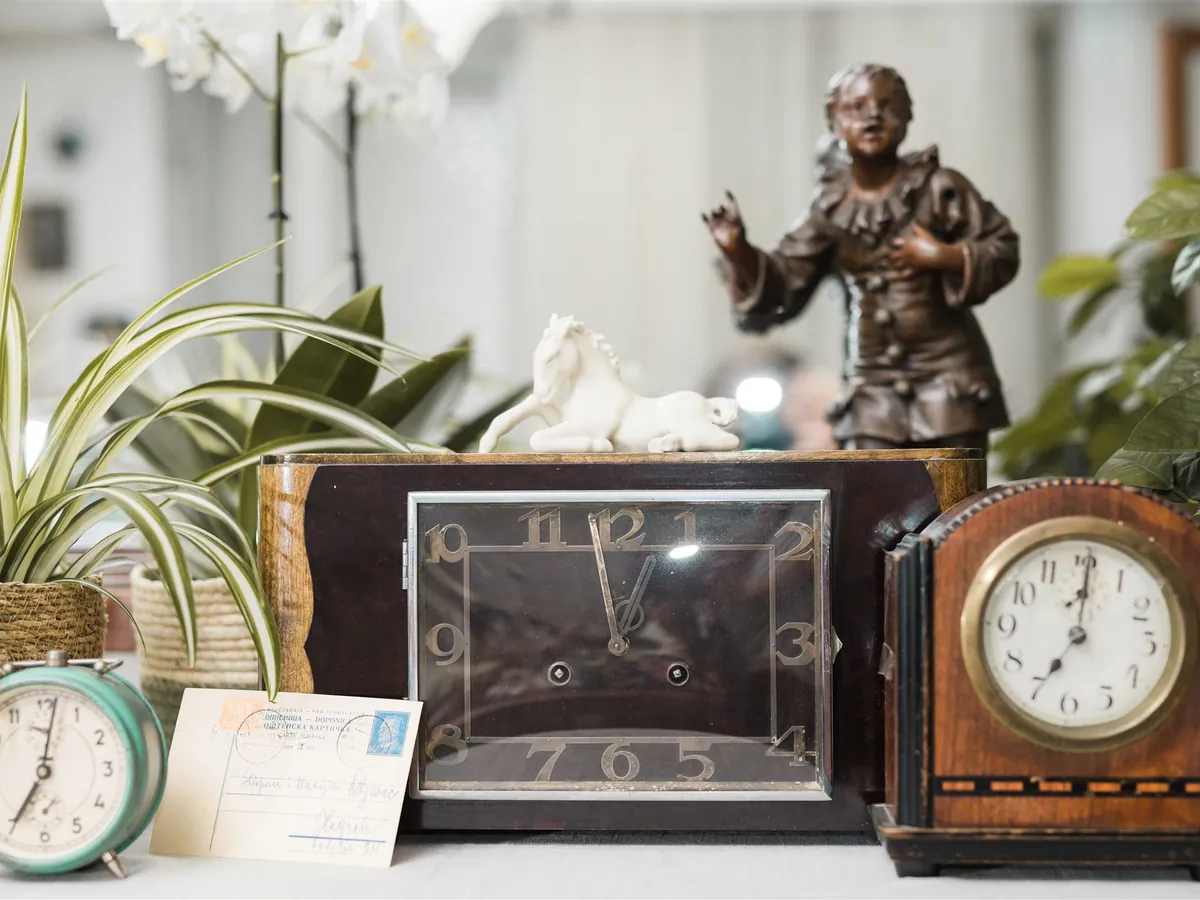
Figurines, fan club paraphernalia, everything you collect because you love the subject and cannot resist. Set aside enough time for this subcategory, ideally a whole day. At first it seems you can let go of nothing, and then you hold each item in your hands and surprise yourself.
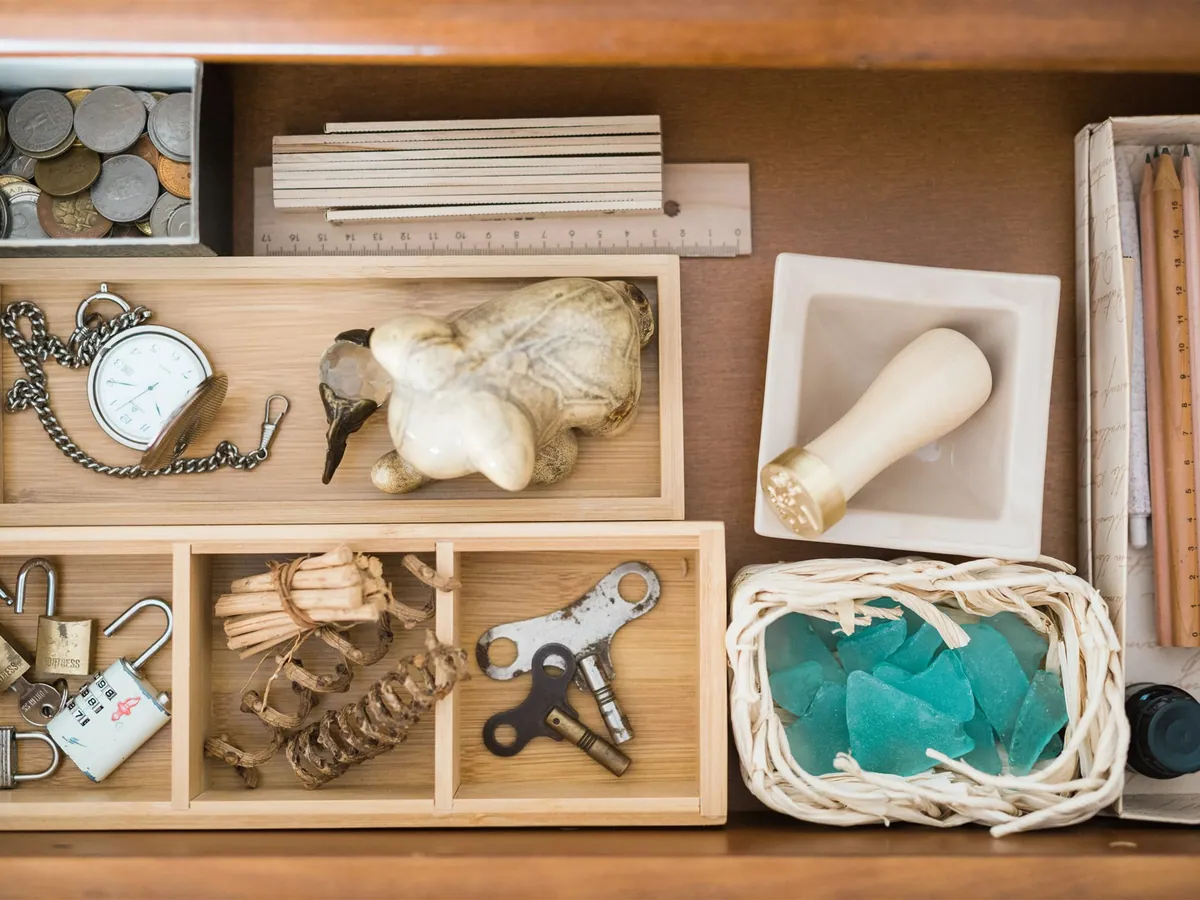
Spare buttons, old phone cases, metal parts of something. Store what stays alongside similar material — hairpins with hair accessories, buttons with the sewing supplies. Once they have a home, things that seemed lost without a fixed address regain their shine. You may keep a “just because” drawer, with small boxes inside so you see everything at once.
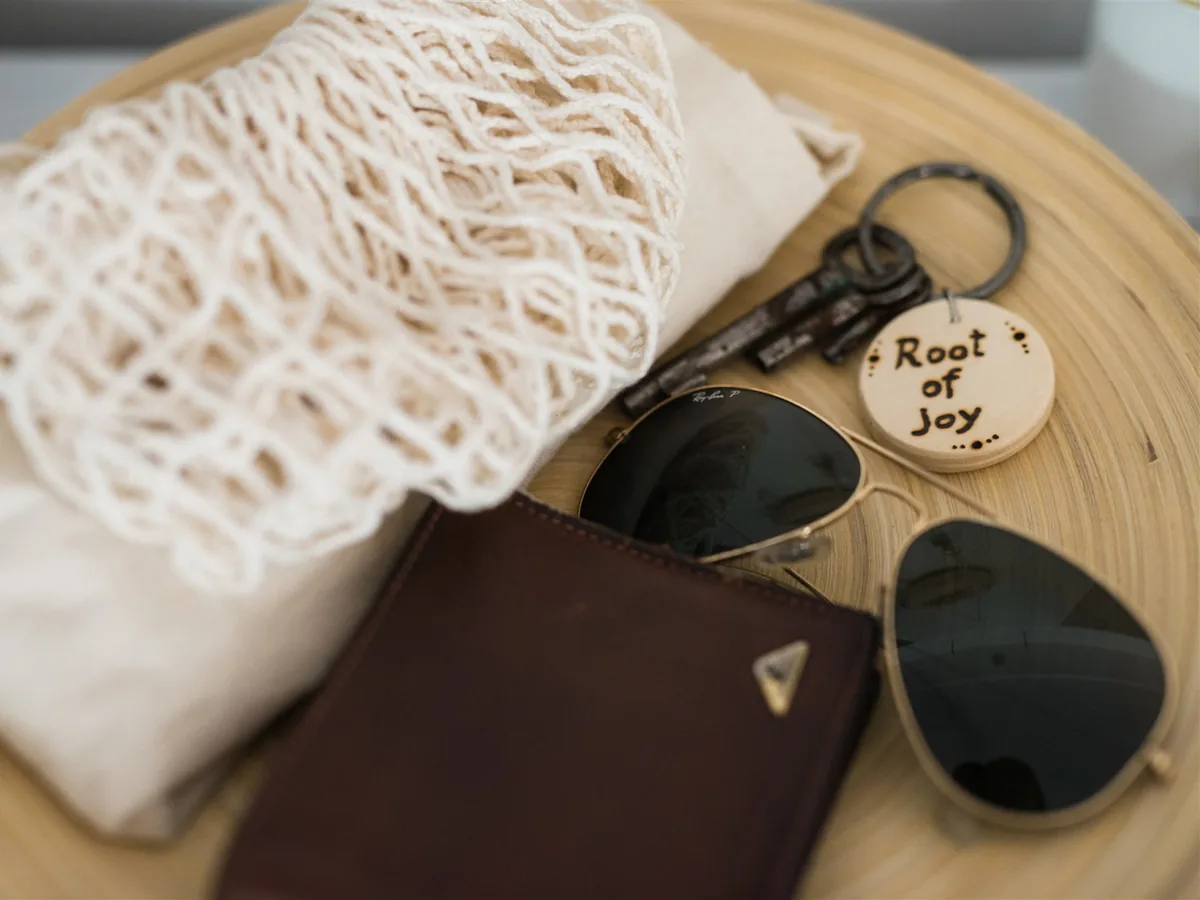
Calendars, mugs, pens and key rings you were given at some gathering and thought at first were nice, or worth keeping for later. Put them all out on the table and see which of them, if any, genuinely sparks joy.
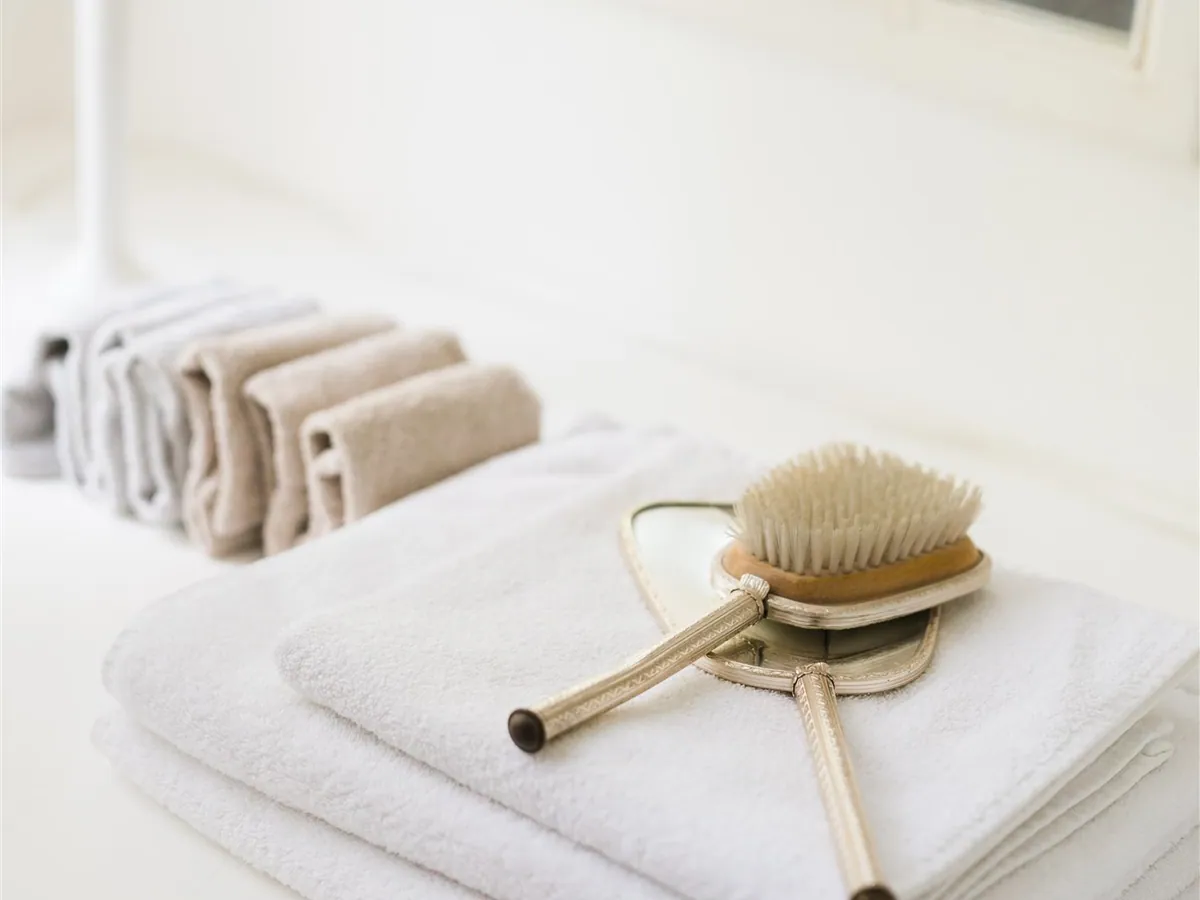
Before the joy check, smell them — linen that is rarely used absorbs odours. Give guests your own bedding rather than keeping a separate set. Towels are the exception to storing upright, because they are used daily and taken from the top of the pile.
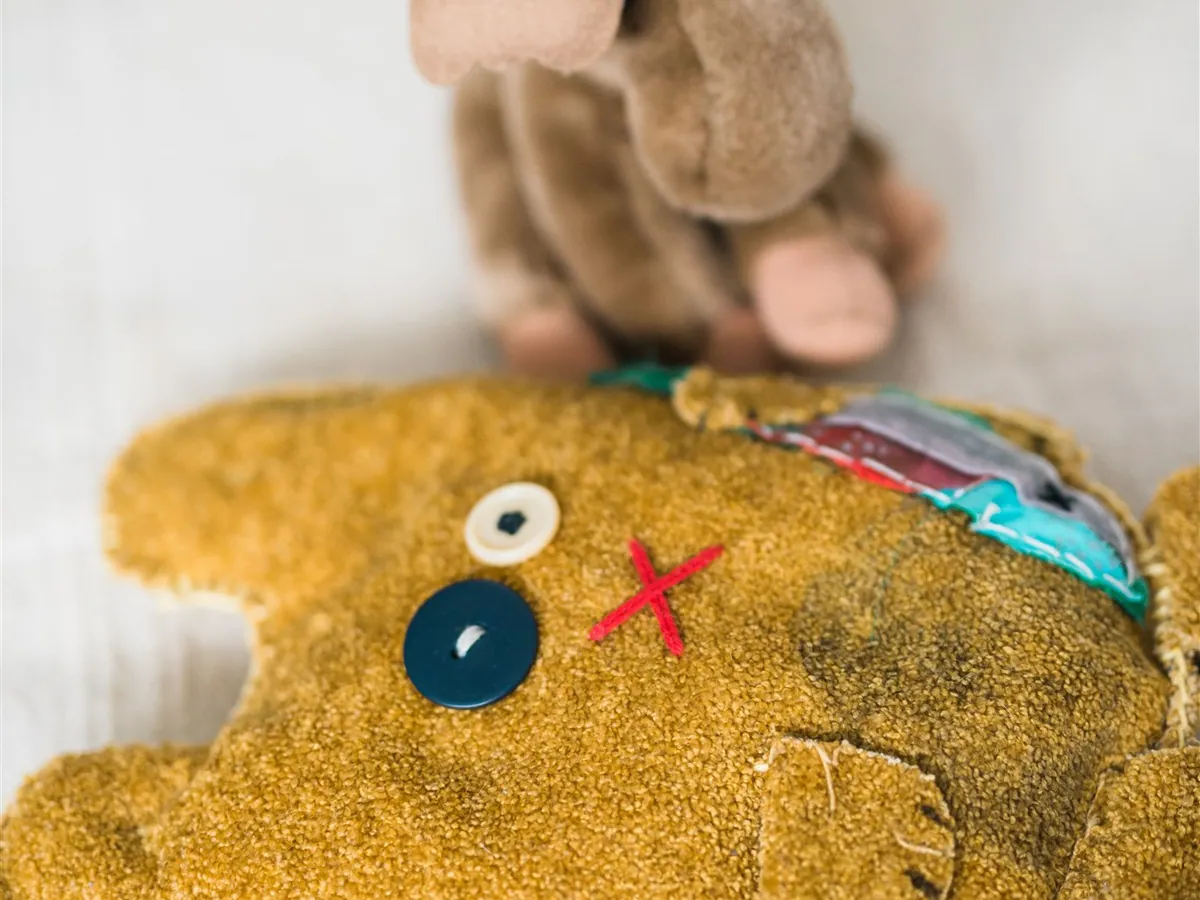
Be honest with yourself: do they collect dust, or do they genuinely make you happy. They are the hardest to let go of, because they seem alive, especially those eyes that follow us around. When you do let them go, cover them — it helps to experience them as objects.
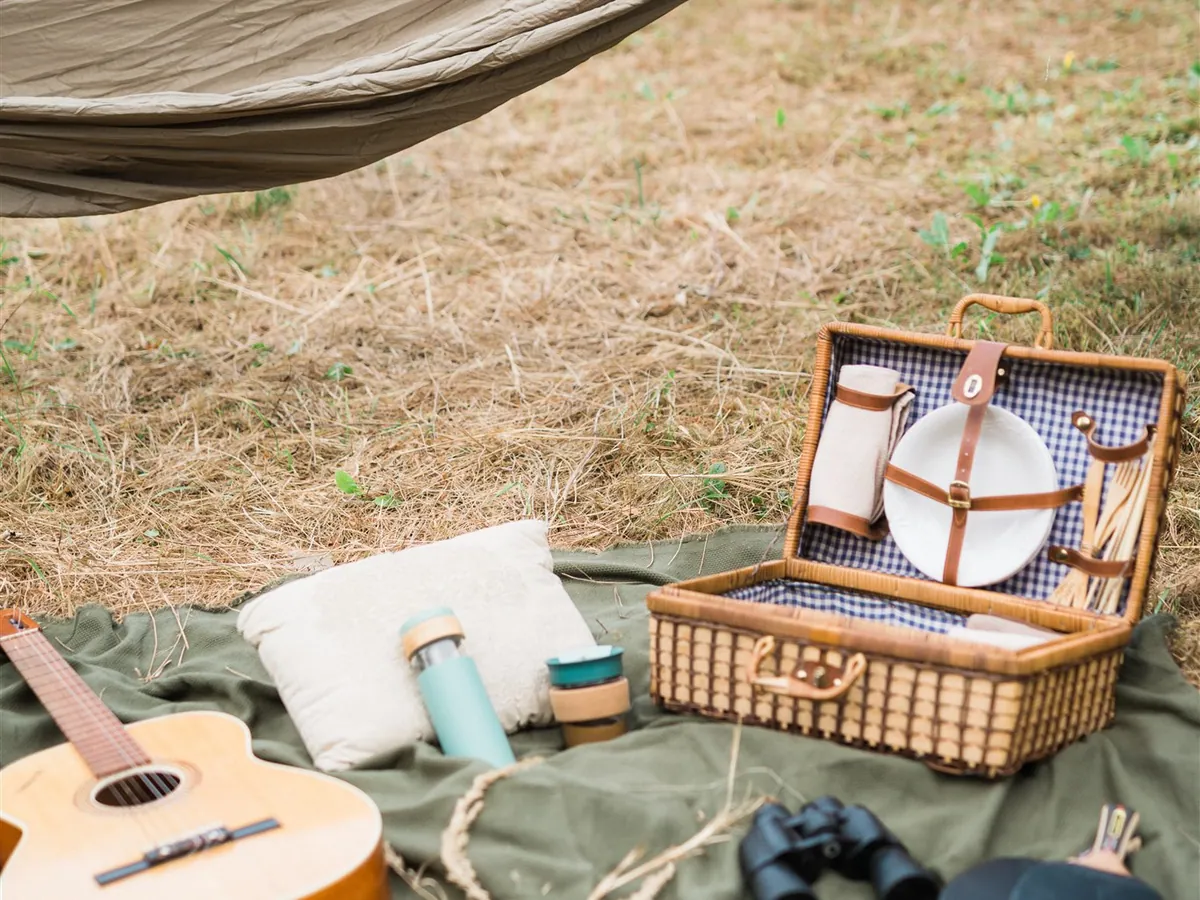
Picnic baskets, badminton sets, balls, skis, snowboards, fishing gear. Keep what makes you happy just to look at, however often you use it. Do not store them in plastic bags — they look like waste, and that is exactly why you will reach for them less.
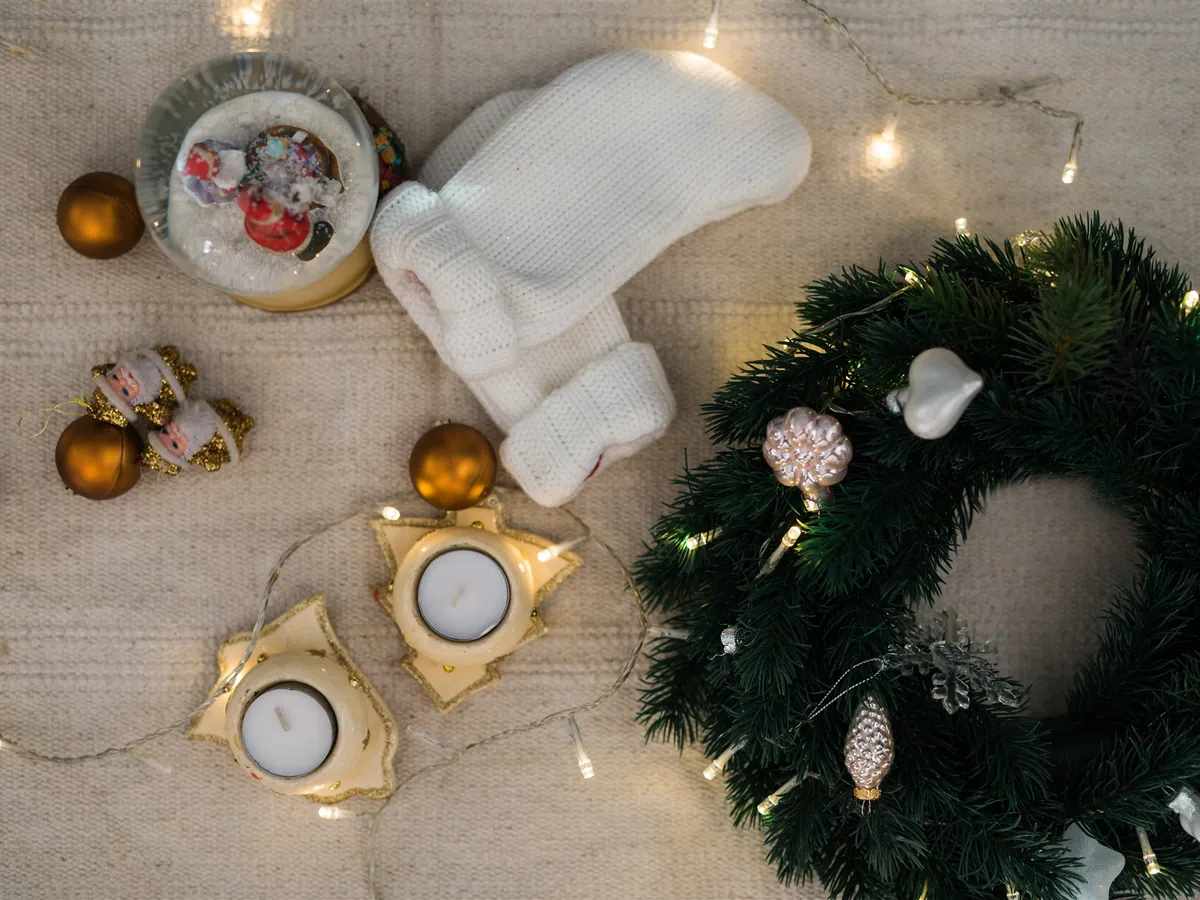
Seasonal decorations are best decluttered out of season. Only then do you truly see whether you are attached to the object, without the atmosphere around you. Arrange them in separate labelled boxes, so they are easy to find.
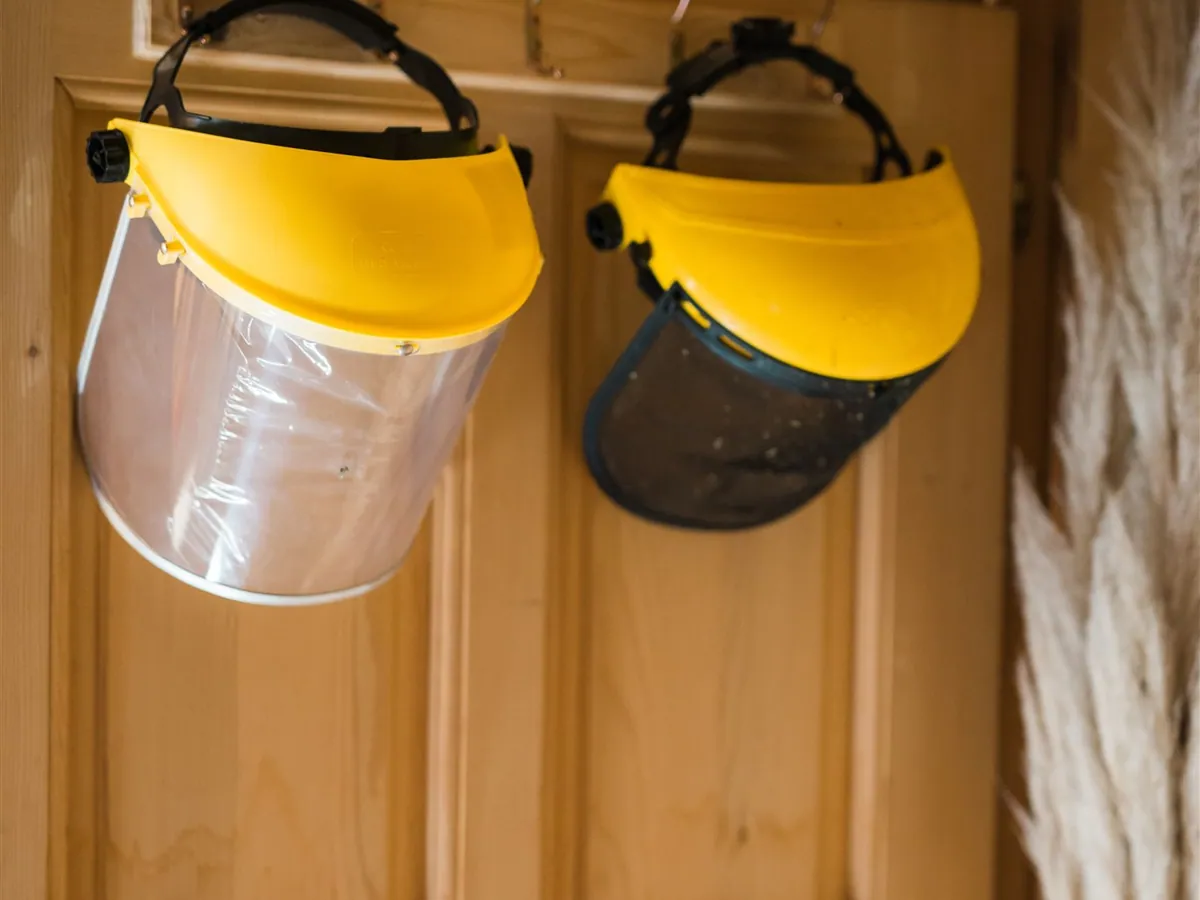
Helmets, earthquake kits, flashlights, a radio, a portable toilet. Check that everything works and look at the dates on food and medicines. Keep them near an exit, in the hall closet, and make sure everyone in the home knows where they are.
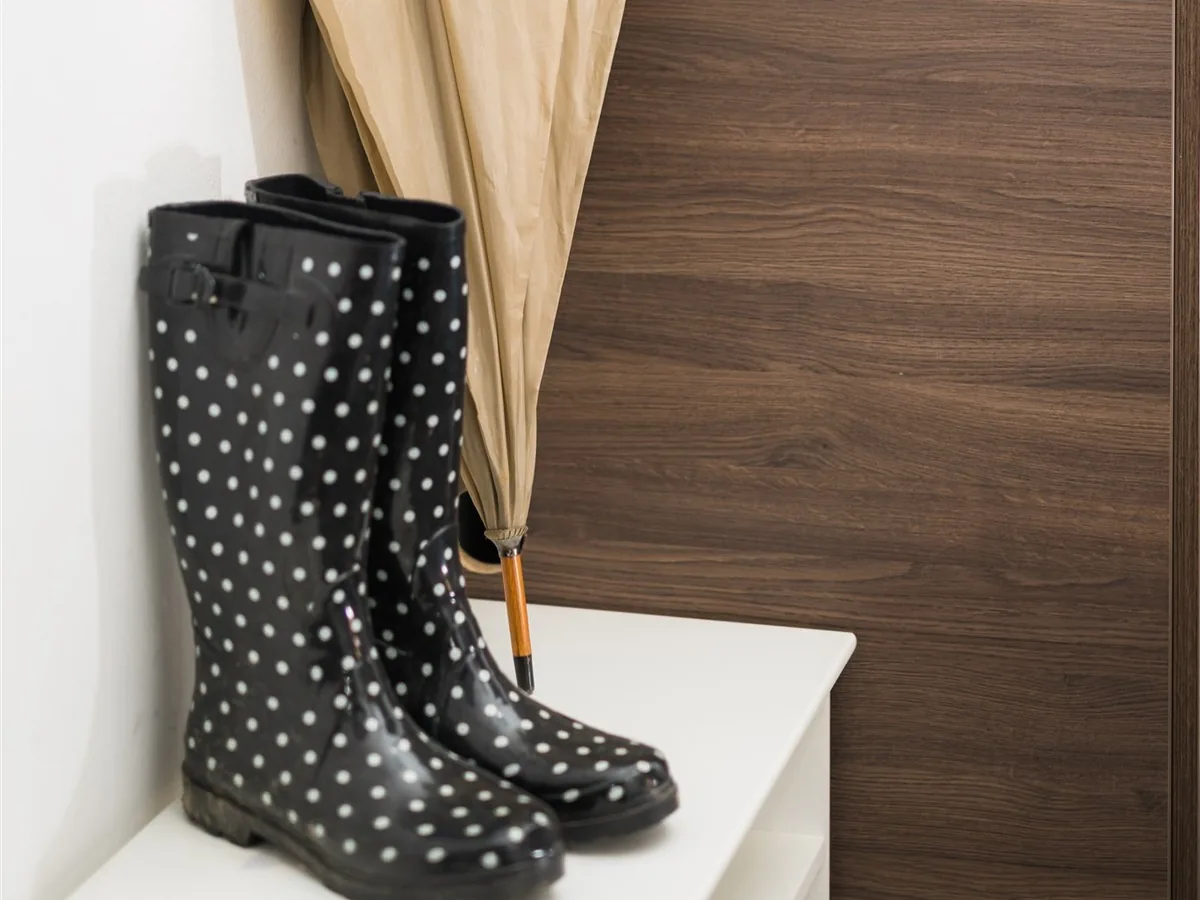
Put it all out in a pile, so you see the quantity and whether it still works. One umbrella per person. Open every one, because plastic sticks together and yellows over time, and you only see that when it is open.
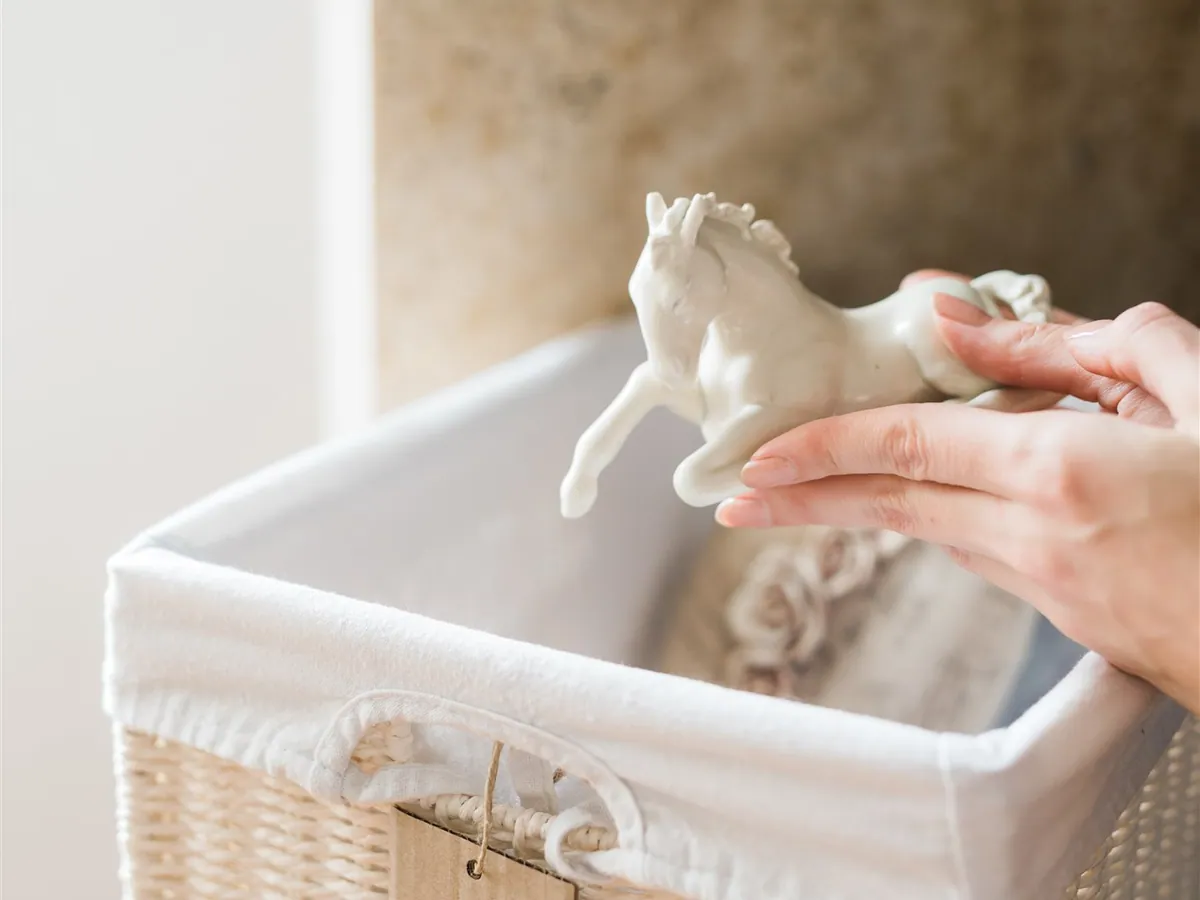
The true purpose of a gift is to be received. A gift is not a thing but a way of making you feel something, and that purpose was fulfilled the moment you received it. Do not feel guilty — thank it for the joy it gave you and let it move on.
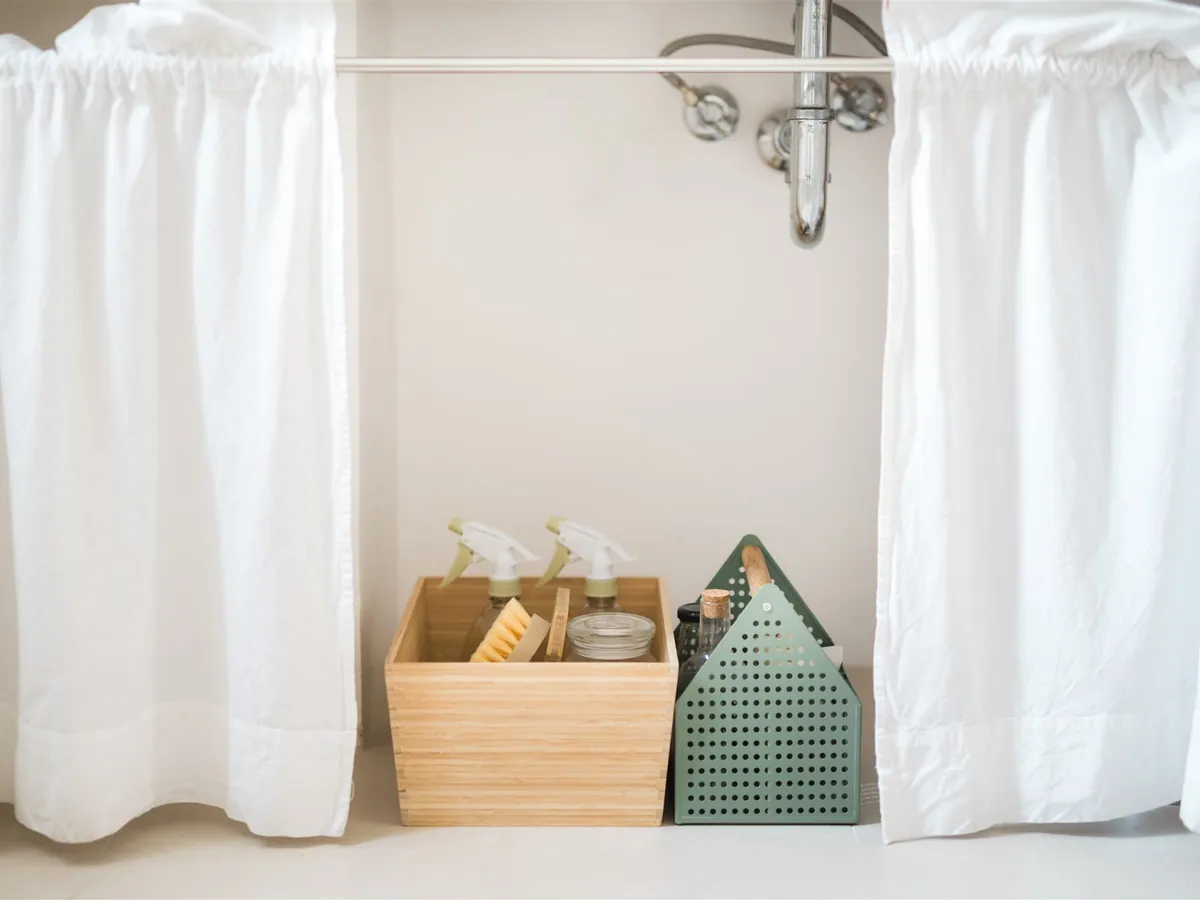
Choose them by imagining yourself cleaning with them. Keep them all together, in a storage room or a closet, with cloths and towels folded and standing upright beside them. Donate what you have never used.
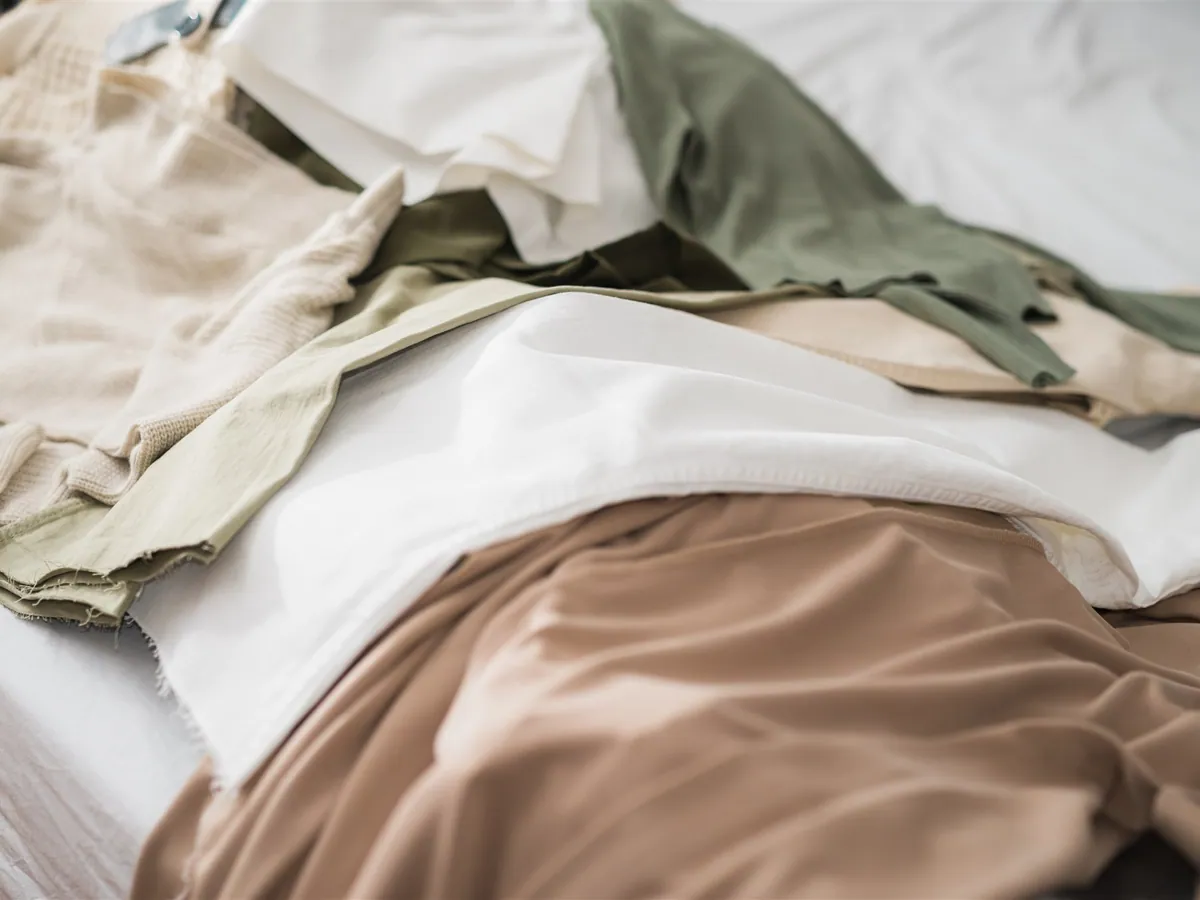
If it is at all possible, keep them near the washing machine. Transfer them into attractive boxes, or add a ribbon to the label — that makes them both easier to reach for and nicer to use.
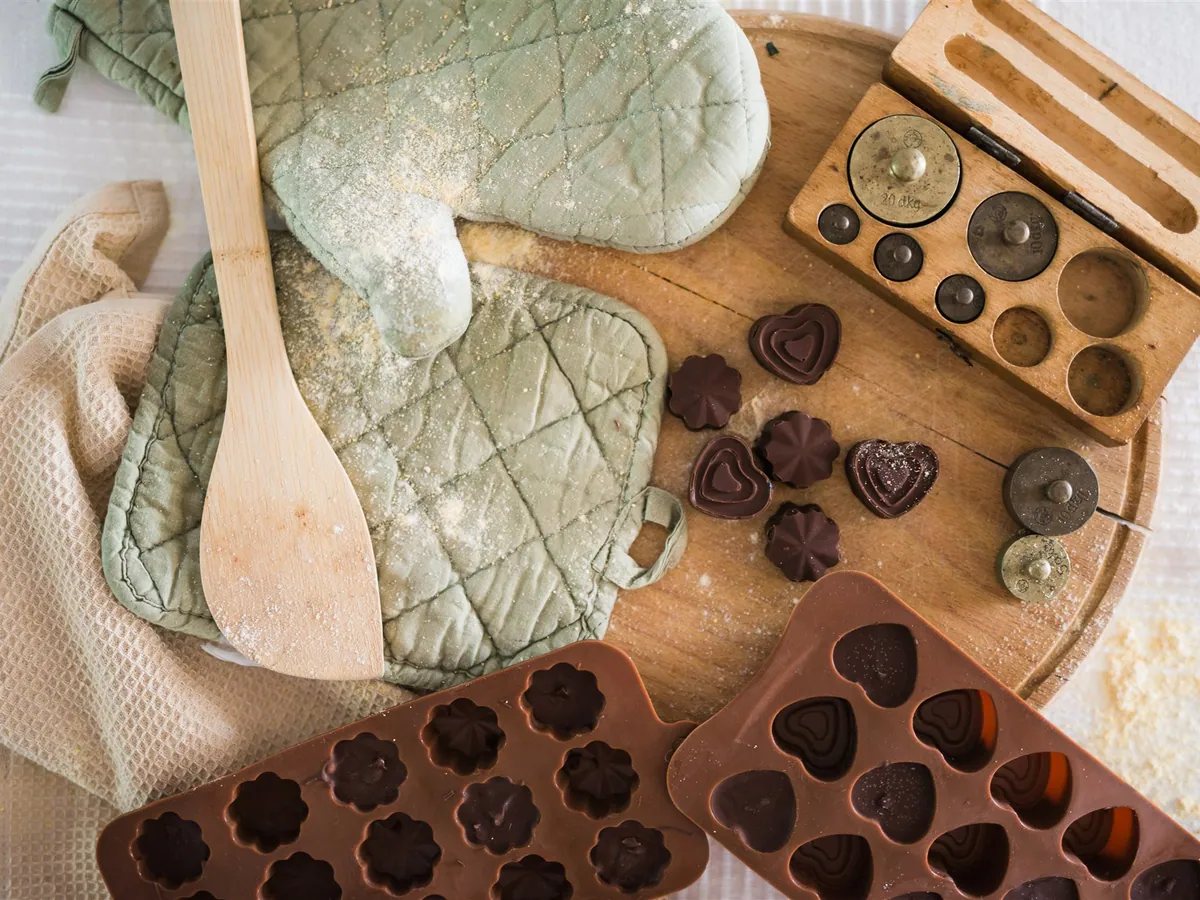
These are the two rooms that should always be clean. There, more than anywhere else, it matters that everything has its place and is in working order, so they can be cleaned quickly. Both subjects are large and we cover them separately.
Because komono is everything else. Clothes, books, papers and sentimental items are clearly bounded, while komono covers everything in between — from cords and medicines to skis and Christmas ornaments. That is why it has twenty-five subcategories, and why it is done one at a time, never all at once.
You do not. You can follow the list as written or in the order that is easiest for you. One recommendation does hold: leave the kitchen and the bathroom for last, because they are the hardest and they pay off most once you have had practice at recognizing joy.
Set it aside in a special box and come back to it in the fifth category. It happens to almost everyone at least once, because sentimental items do not sit in one place but are scattered through the other categories. The decision is easier at the end of the process, once your eye for joy has had practice.
Some items do not spark joy through touch. A hammer is the example. But when we remember the role it plays and how much easier it makes our life, the joy returns. Such an item deserves gratitude, because it saves us time and effort.
None of them is done all at once, and that is the whole secret. Book a free 20-minute call and we will look at where to start, together.